The institutional shift on Polygon
Polygon is no longer just a retail scaling solution. In 2026, the network is actively pivoting toward institutional-grade infrastructure, moving beyond simple transaction throughput to support complex financial instruments. This strategic shift is driven by the need for regulated, compliant environments where traditional finance can interact with decentralized protocols without compromising security or legal standards.
The most significant indicator of this transition is the partnership between Polygon and the Bank of Italy. This pilot program aims to create a regulated platform for institutional DeFi, specifically focusing on security token trading. Rather than a speculative experiment, this initiative explores concrete designs for security tokens, bridging the gap between legacy banking systems and blockchain technology. It signals that major central banks are now treating Polygon as a viable settlement layer for regulated assets.
This move reflects a broader industry trend where enterprises prioritize compliance and interoperability over pure decentralization narratives. By leveraging Polygon’s Ethereum compatibility, institutions can deploy smart contracts that meet rigorous regulatory requirements while benefiting from lower costs and faster finality. The focus is now on building robust frameworks for stablecoin settlement and tokenized securities, ensuring that institutional capital can flow efficiently into the digital asset ecosystem.
The implications for the DeFi landscape are substantial. As more traditional financial entities adopt Polygon for institutional pilots, the network’s utility expands beyond speculative trading into core financial operations. This evolution underscores Polygon’s role not just as a scaling layer, but as a critical infrastructure provider for the next generation of regulated digital finance.
How the Bank of Italy Pilot Works
The Bank of Italy isn’t testing generic DeFi protocols; it is building a sandbox specifically for security tokens. This distinction matters. While many pilots focus on stablecoin payments or lending, this initiative targets the complex regulatory requirements of trading regulated assets on-chain.
The core goal is to design a platform that satisfies Italian and EU securities laws while leveraging Polygon’s infrastructure. The pilot explores different technical designs for security tokens, ensuring that compliance features are baked into the token standard itself rather than applied as an afterthought. This approach allows institutions to trade digital securities with the same speed and efficiency as traditional markets, but with the transparency of a public ledger.
For finance professionals, this represents a shift from experimentation to infrastructure. The Bank of Italy is working with Polygon to establish the technical and regulatory frameworks necessary for institutional-grade security token trading. By focusing on the mechanics of issuance, trading, and settlement, the pilot aims to create a blueprint for how regulated assets can move seamlessly within the DeFi ecosystem.
This work is critical for the broader adoption of digital assets in traditional finance. If the pilot succeeds, it could lower the barrier to entry for institutions looking to tokenize assets like bonds or equity, potentially unlocking trillions in value. The focus on security tokens specifically addresses the primary concern of regulators: investor protection and market integrity.
The pilot also serves as a stress test for Polygon’s enterprise-grade capabilities. By handling real-world security token transactions, the network demonstrates its ability to support high-volume, compliant financial operations. This isn’t just about technology; it’s about proving that blockchain infrastructure can meet the rigorous demands of traditional banking and securities trading.
Stablecoin settlement infrastructure
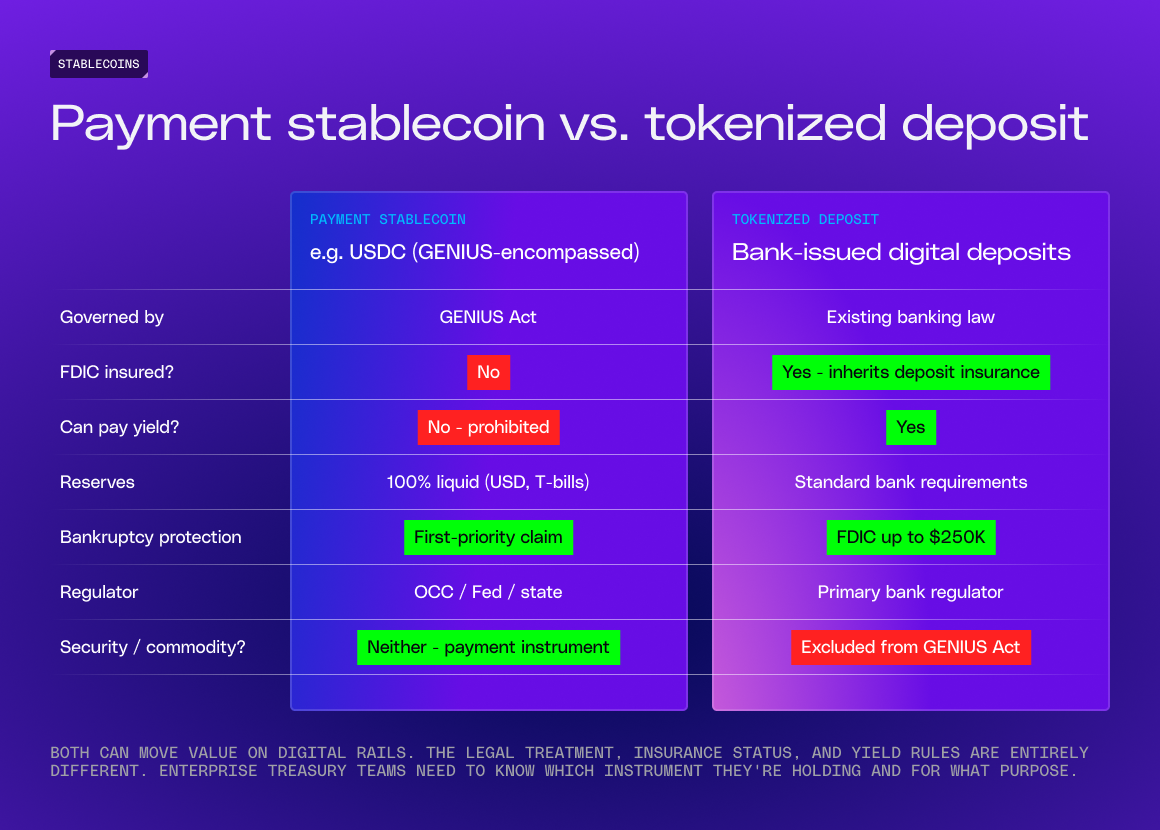
Enterprise finance teams are moving beyond speculation to use stablecoins for actual settlement. Polygon provides the infrastructure for this shift, offering a high-throughput, low-cost environment that mimics the speed of traditional banking without the prohibitive fees. For treasury management and cross-border B2B payments, this means capital is no longer trapped in transit for days.
The practical application is straightforward. According to Polygon’s official guide on enterprise stablecoin payments, finance teams are integrating USDC and EURC directly into their ERP systems. This allows for automated payroll distribution across borders and real-time reconciliation of B2B invoices. The result is a settlement layer that operates 24/7, reducing the need for pre-funded nostro accounts that tie up working capital.
To understand the liquidity context driving this adoption, consider the current market data for major enterprise stablecoins:
This infrastructure supports a broader trend where stablecoin transaction volume is outpacing traditional retail payment rails in key corridors. By leveraging Polygon’s EVM compatibility, enterprises can build custom settlement logic that integrates with existing compliance frameworks, ensuring that the speed of blockchain does not come at the cost of regulatory adherence.
Market Size and Growth Projections
The broader decentralized finance (DeFi) landscape is expanding at a pace that demands robust infrastructure. Recent analysis from Mordor Intelligence projects the global DeFi market will reach USD 238.54 billion in 2026, growing at a compound annual growth rate (CAGR) of 26.43% through 2031. This trajectory underscores why enterprises are moving beyond experimental pilots to integrate scalable, compliant layer-2 solutions like Polygon.
For financial institutions, this growth is not just about volume; it is about the viability of specific use cases. Security tokenization and stablecoin settlement are leading the charge, requiring networks that offer both throughput and regulatory clarity. Polygon’s current enterprise pilots are positioned to capture this demand by providing the institutional-grade infrastructure necessary to handle high-frequency transactions without the cost and latency bottlenecks of legacy layer-1 chains.
While some broader market estimates vary, the consensus on directional growth is clear. The shift toward tokenized real-world assets (RWA) and institutional DeFi adoption is driving the need for networks that can support complex smart contract interactions at scale. Polygon’s strategy aligns with this shift, focusing on interoperability and compliance features that appeal to traditional finance players entering the crypto space.
To understand the current market valuation and technical performance driving these projections, you can view live data below. This context helps illustrate the real-time environment in which these enterprise pilots are being tested and scaled.
Evaluation checklist for enterprises
Before committing capital to a Polygon DeFi pilot, finance teams need a structured framework to assess risk, cost, and technical fit. The market is growing rapidly—DeFi is projected to reach $770 billion by 2031—but enterprise adoption requires more than just access to liquidity. It demands regulatory clarity, institutional-grade infrastructure, and clear exit strategies. Use this five-step checklist to evaluate Polygon’s infrastructure against your organization’s specific operational needs.
Verify that the pilot adheres to local securities laws and banking regulations. The Bank of Italy’s recent pilot with Polygon demonstrates how institutions can build regulated platforms for security token trading. Ensure your legal team reviews the token structure (e.g., security tokens vs. utility tokens) and the jurisdictional requirements for cross-border settlements. Polygon’s EVM compatibility allows you to integrate existing compliance tools like Chainalysis or Elliptic without rebuilding your stack.
Assess the depth of liquidity for your target assets. Polygon supports major stablecoins like USDC and USDT, which are critical for B2B payments and treasury management. Check the available liquidity pools on major DEXs (like Uniswap or SushiSwap on Polygon) to ensure you can execute large trades without significant slippage. For payroll or cross-border payments, confirm that the stablecoin settlement finality is acceptable for your accounting cycles.
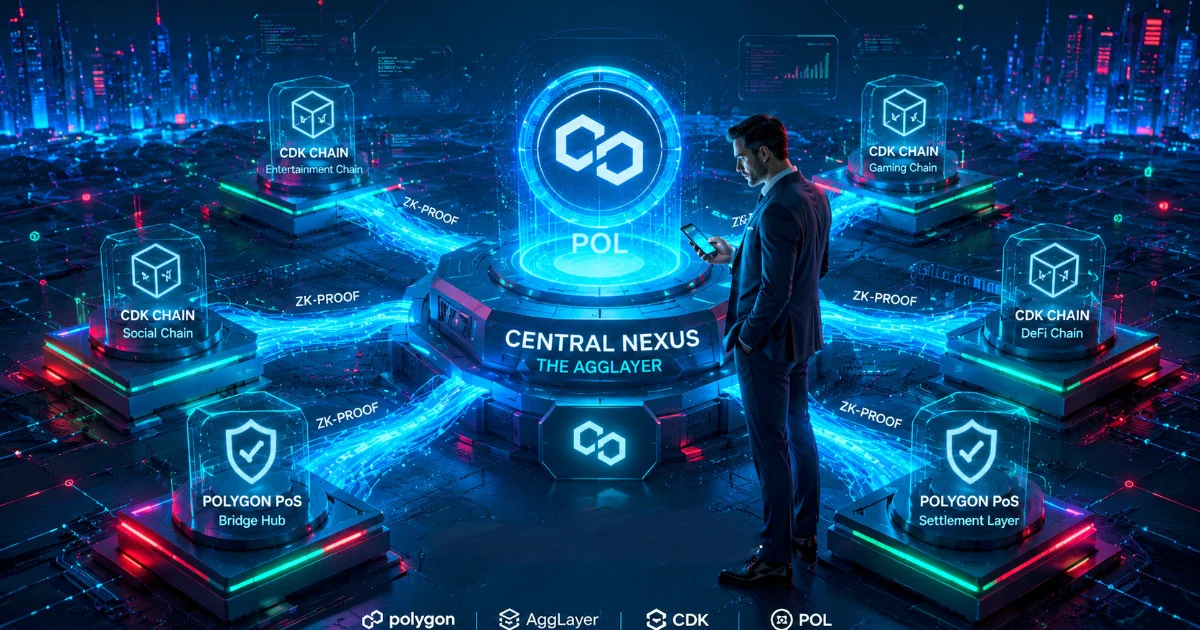
Evaluate how Polygon integrates with your existing ERP and banking systems. Polygon’s EVM compatibility means most Ethereum-based tools work out of the box. However, consider using Polygon’s zkEVM or CDK (Chain Development Kit) if you need custom privacy features or specific consensus mechanisms. Test the API performance and node reliability. Polygon’s high throughput (thousands of TPS) should reduce your gas costs significantly compared to Ethereum mainnet, but verify this with your specific transaction volume.

Calculate the total cost of ownership (TCO), including gas fees, development costs, and operational overhead. Polygon’s fees are typically fractions of a cent, making it viable for high-frequency transactions like micro-payments or payroll. Compare this against traditional SWIFT or wire transfer fees. Also, factor in the cost of securing private keys and managing multi-sig wallets for treasury control. Use a
to track the cost of holding the native token if required for gas or staking.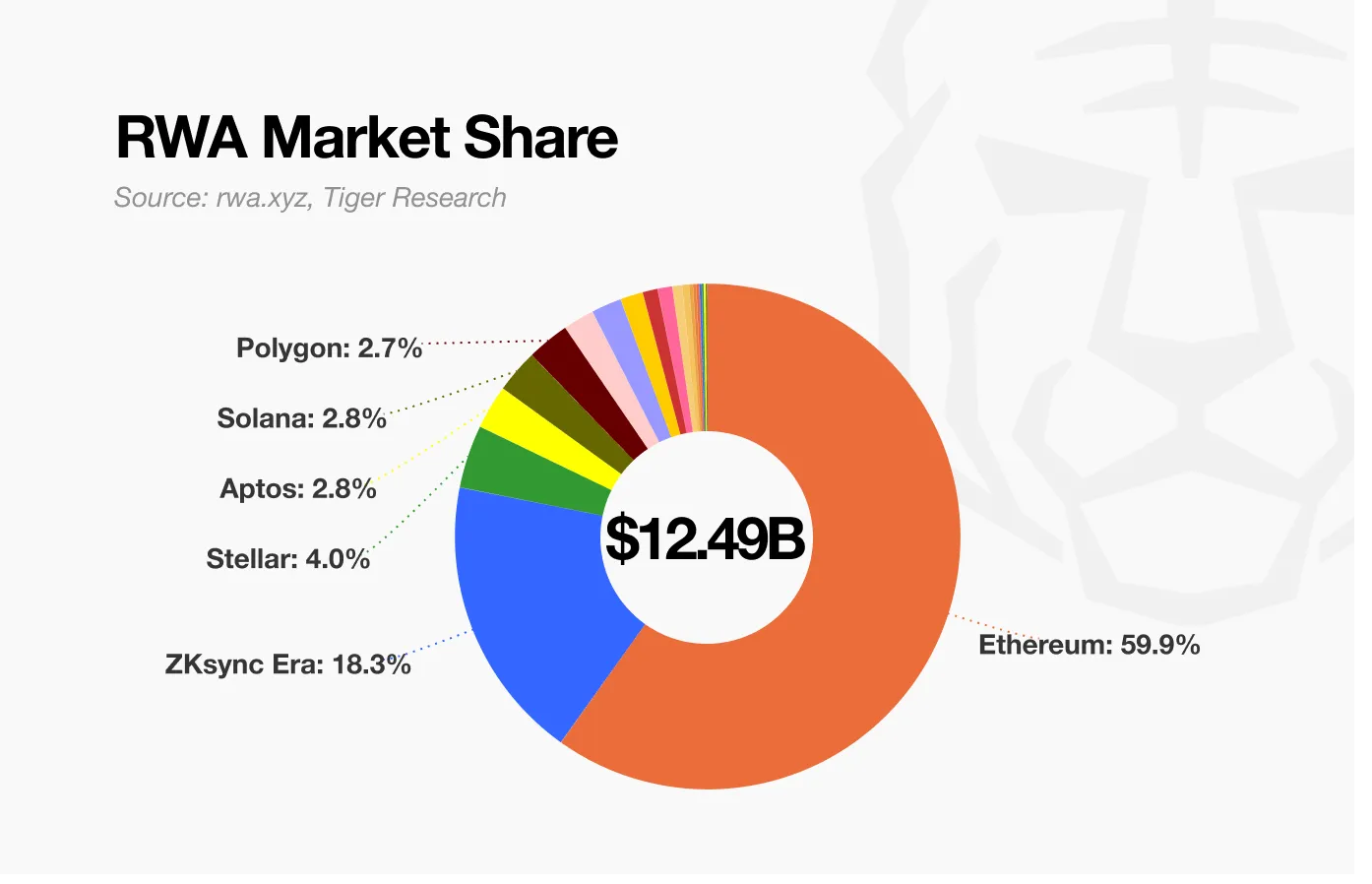
Identify the partners and infrastructure providers supporting your pilot. Polygon has partnerships with major enterprises like Starbucks, Nike, and Reddit, as well as financial institutions like the Bank of Italy. Leverage these relationships for best practices and potential co-marketing opportunities. Ensure your development team has access to Polygon’s official documentation and support channels. A strong ecosystem reduces the risk of technical debt and provides a safety net for troubleshooting.
| Metric | Polygon Pilot | Traditional Banking |
|---|---|---|
| Settlement Time | Seconds | Days |
| Transaction Cost | <$0.01 | $15-$50 |
| Regulatory Framework | Evolving (EVM-based) | Established |
| Liquidity Access | Global DEXs | Bank Networks |
By following this checklist, you can mitigate risks and ensure your Polygon DeFi pilot aligns with your enterprise’s strategic goals. The technology is mature enough for production use, but careful planning is essential for long-term success.
No comments yet. Be the first to share your thoughts!