Polygon enterprise DeFi pilots: limits to account for
Enterprise pilots on Polygon move fast, but they stall when teams ignore the friction between blockchain speed and corporate compliance. Polygon’s low fees and high throughput are obvious advantages, but they are only half the equation. The real constraint lies in fiscal clarity and operational readiness.
1. Map Stablecoin Settlement to Accounting Systems
DeFi protocols settle in seconds; enterprise accounting cycles run monthly. Pilots fail when finance teams cannot reconcile on-chain transactions with traditional ledgers. Start by selecting stablecoins with clear regulatory status in your jurisdiction. Use Polygon’s sub-cent fees to test high-volume micro-payments, but ensure your ERP can ingest transaction hashes without manual intervention.
2. Verify Liquidity Depth Before Scaling
Instant settlement is useless if there is no counterparty liquidity. Polygon connects businesses to deep stablecoin pools, but pilot volumes must not exceed available depth without slippage. Before launching, run a stress test using a small portion of your treasury. Check that your target stablecoin pair has sufficient depth on Polygon DEXs or centralized exchanges to handle your expected daily volume.
3. Address Regulatory Ambiguity Early
Fiscal clarity is often the silent killer of enterprise pilots. Stablecoin transactions may trigger tax events or reporting requirements that differ from traditional wire transfers. Engage legal counsel early to define how on-chain payments are classified. Do not assume that decentralized nature exempts you from local financial regulations.
4. Monitor Network Congestion and Gas Spikes
While Polygon is generally stable, enterprise workloads can trigger congestion. A pilot that works in quiet hours may fail during peak trading times. Implement gas monitoring tools and set up alerts for unusual network activity. Consider using Layer 2 scaling solutions that prioritize transaction finality for critical payments.
The goal is not just to deploy a smart contract, but to integrate it into a compliant, auditable financial workflow. Polygon provides the rails; your team must build the engine.
Evaluate enterprise Polygon DeFi choices that change the plan
When assessing Polygon for enterprise DeFi pilots, the decision hinges on balancing cost efficiency against regulatory friction and operational complexity. The platform’s core value proposition lies in its ability to connect businesses to deep stablecoin liquidity, enabling instant settlement and real volume from day one. However, this technical efficiency introduces specific tradeoffs that finance and compliance teams must weigh before deployment.
The primary advantage is economic. Polygon supports high-throughput applications with sub-cent fees, which directly lowers payment costs and improves margins as businesses scale. For treasury management, cross-border B2B payments, and payroll, this cost structure is often the deciding factor over traditional banking rails. Yet, the low cost does not eliminate the need for rigorous fiscal clarity. Understanding the tax and accounting treatment of stablecoin transactions is equally critical for enterprise adoption.
Regulatory alignment presents the second major tradeoff. While Polygon offers a permissionless environment, enterprise pilots often require permissioned layers or specific compliance tools to satisfy internal audit requirements. For instance, Bank of Italy’s pilot on Polygon focused on creating a regulated environment for security token trading, highlighting that not all DeFi primitives are suitable for institutional use without modification. Teams must evaluate whether the available tools provide sufficient audit trails and identity verification to meet local jurisdictional standards.
To clarify these tradeoffs, the following comparison evaluates key operational factors across common enterprise use cases.
| Factor | Stablecoin Payments | Security Tokens | Payroll & Treasury |
|---|---|---|---|
| Settlement Speed | Instant | Near-instant | Instant |
| Regulatory Clarity | Moderate (varies by jurisdiction) | High (pilot-specific frameworks) | Low (tax reporting complexity) |
| Cost Efficiency | Sub-cent fees | Low gas, high compliance overhead | High volume, low marginal cost |
| Compliance Tooling | Standard KYC/AML integrations | Custom whitelist/blacklist requirements | Limited native payroll-specific tools |
How to choose the right Polygon enterprise DeFi pilot
Enterprise finance teams are moving from research to deployment by treating stablecoin infrastructure as a ledger problem, not just a technology upgrade. The goal is fiscal clarity alongside instant settlement. Polygon offers sub-cent fees and deep liquidity, but the pilot must prove that internal controls match the speed of the chain.
Use this decision framework to structure your pilot. Each step isolates a specific risk: compliance, technical integration, or operational friction.
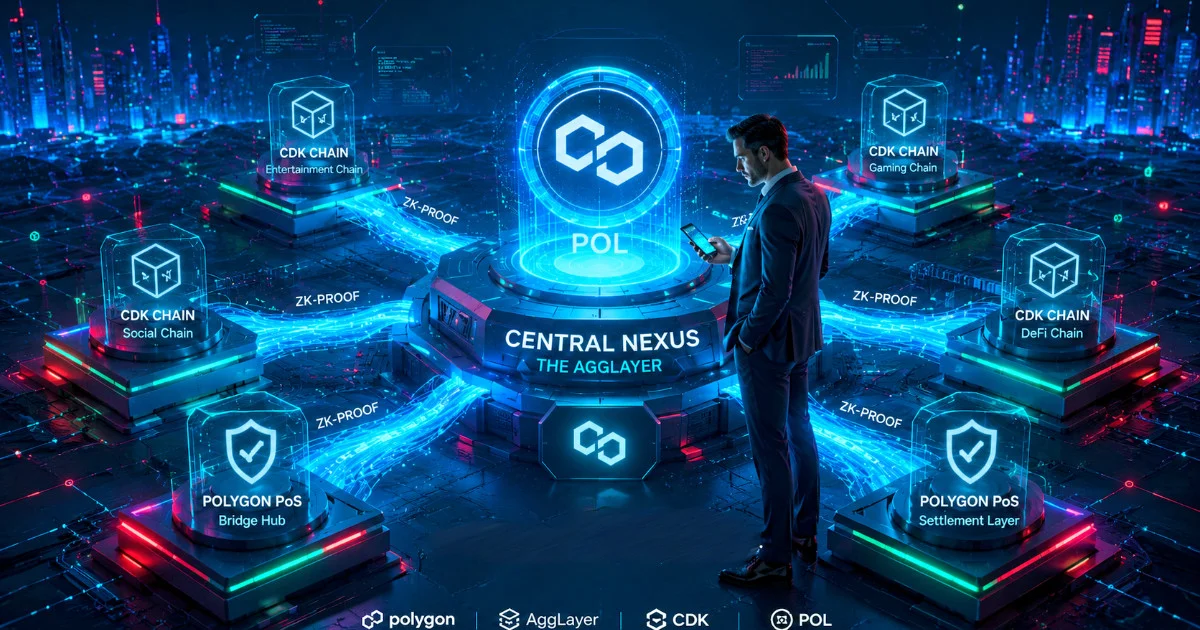
Identify which payment flows will move first. Cross-border B2B payments and payroll are common starting points because they suffer most from traditional banking delays. Define the exact data points that need to be immutable on-chain, such as invoice IDs or payroll timestamps. This mapping ensures the smart contract logic matches existing ERP workflows.
Payments infrastructure is only half the equation; fiscal clarity is the other. Ensure your treasury management system can reconcile on-chain wallet addresses with off-chain general ledger accounts. Test that transaction metadata includes enough information for auditors to trace the source of funds without exposing sensitive client data. If your accounting team cannot reconcile the ledger, the pilot fails.
Before scaling, test settlement speed and cost under real load. Use a stablecoin pair with high volume to ensure your pilot doesn't suffer from slippage or failed transactions. Verify that the sub-cent fees actually materialize in your final P&L report. This step confirms that Polygon's high-throughput capabilities translate to actual margin improvement for your specific transaction size.

Define exactly how fiat enters and exits the system. Enterprise pilots often stall because the bank account connection is untested. Document the KYC/AML checks required for the fiat on-ramp provider. Ensure that the treasury team knows how to trigger a withdrawal to a corporate bank account within the required business hours. Speed on-chain means nothing if the off-ramp takes three days.
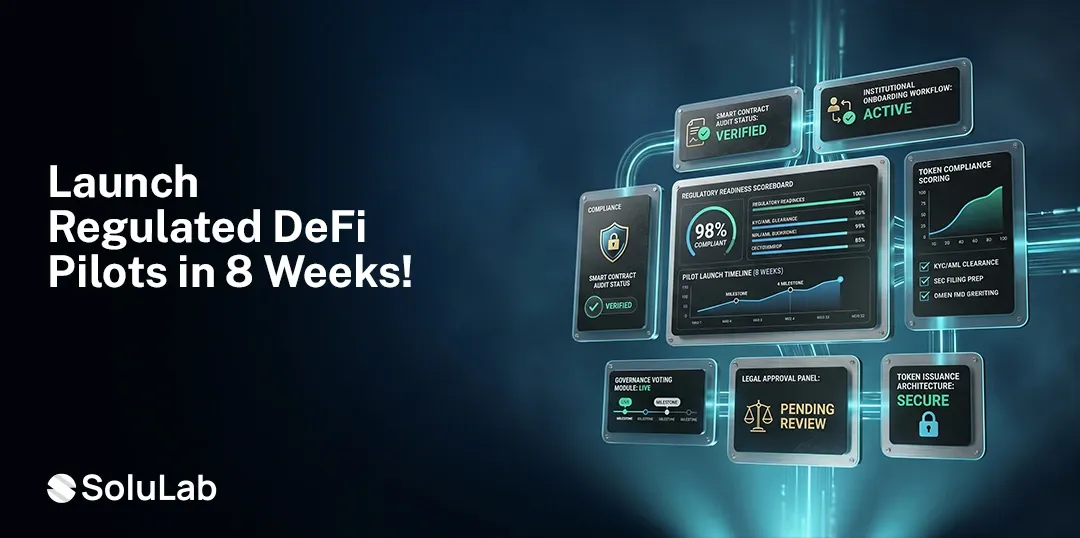
Have an external security firm review the pilot's smart contracts. Even for internal pilots, a bug can lock corporate funds. Focus the audit on access controls—who can initiate payments?—and error handling. If a transaction fails halfway, does the system revert cleanly, or does it leave funds in limbo? A failed audit is a green light to fix issues before real money moves.


As an Amazon Associate, we may earn from qualifying purchases.
Spotting Weak Options in Polygon Enterprise DeFi
Many enterprise pilots stall because teams focus on technology rather than compliance. The Polygon DeFi ecosystem offers deep stablecoin liquidity and sub-cent fees, but these advantages mean little without fiscal clarity. Before committing resources, audit your integration against these common pitfalls.
Mistake 1: Ignoring Fiscal Reporting
Finance teams often build robust on-chain workflows but lack the off-chain accounting tools to track stablecoin transactions. Without clear fiscal reporting, you cannot reconcile on-chain activity with traditional ledgers. Ensure your provider supports automated tax-ready reporting before launch.
Mistake 2: Overlooking Settlement Finality
Enterprise finance requires predictable settlement times. Some Layer 2 solutions promise speed but suffer from temporary reorgs or bridge delays. Verify that your chosen Polygon network variant offers the finality guarantees required by your treasury policy. Test cross-border B2B payments during peak hours to identify latency issues.
Mistake 3: Assuming Zero Friction
Sub-cent fees do not eliminate operational friction. Payroll and treasury management still require KYC/AML checks and identity verification. If your provider does not integrate seamlessly with existing compliance layers, you will face bottlenecks. Choose infrastructure that embeds compliance rather than treating it as an afterthought.
Polygon enterprise DeFi pilots: practical: what to check next
Enterprise teams evaluating Polygon for DeFi pilots often face specific operational and structural questions. These answers address the core mechanics, business logic, and regulatory realities found in current pilot programs.
No comments yet. Be the first to share your thoughts!