Polygon Enterprise DeFi Pilots: Infrastructure, Tools, and Strategic Roadmap for Institutional Adoption
Polygon is positioning itself as a stablecoin-first blockchain, targeting institutional adoption through a $250 million strategic acquisition of Coinme and Sequence. This move signals a shift from general-purpose smart contracts to specialized payment rails, aiming to solve the liquidity and compliance friction that often stalls enterprise DeFi pilots.
The infrastructure is designed to be lightweight, offering APIs, SDKs, and smart contract tools that integrate directly with existing enterprise systems. By focusing on stablecoin rails, Polygon addresses the immediate need for fast, low-cost settlement—a critical requirement for treasury management and cross-border payments. This approach contrasts with broader DeFi ecosystems that prioritize yield farming over transactional efficiency.
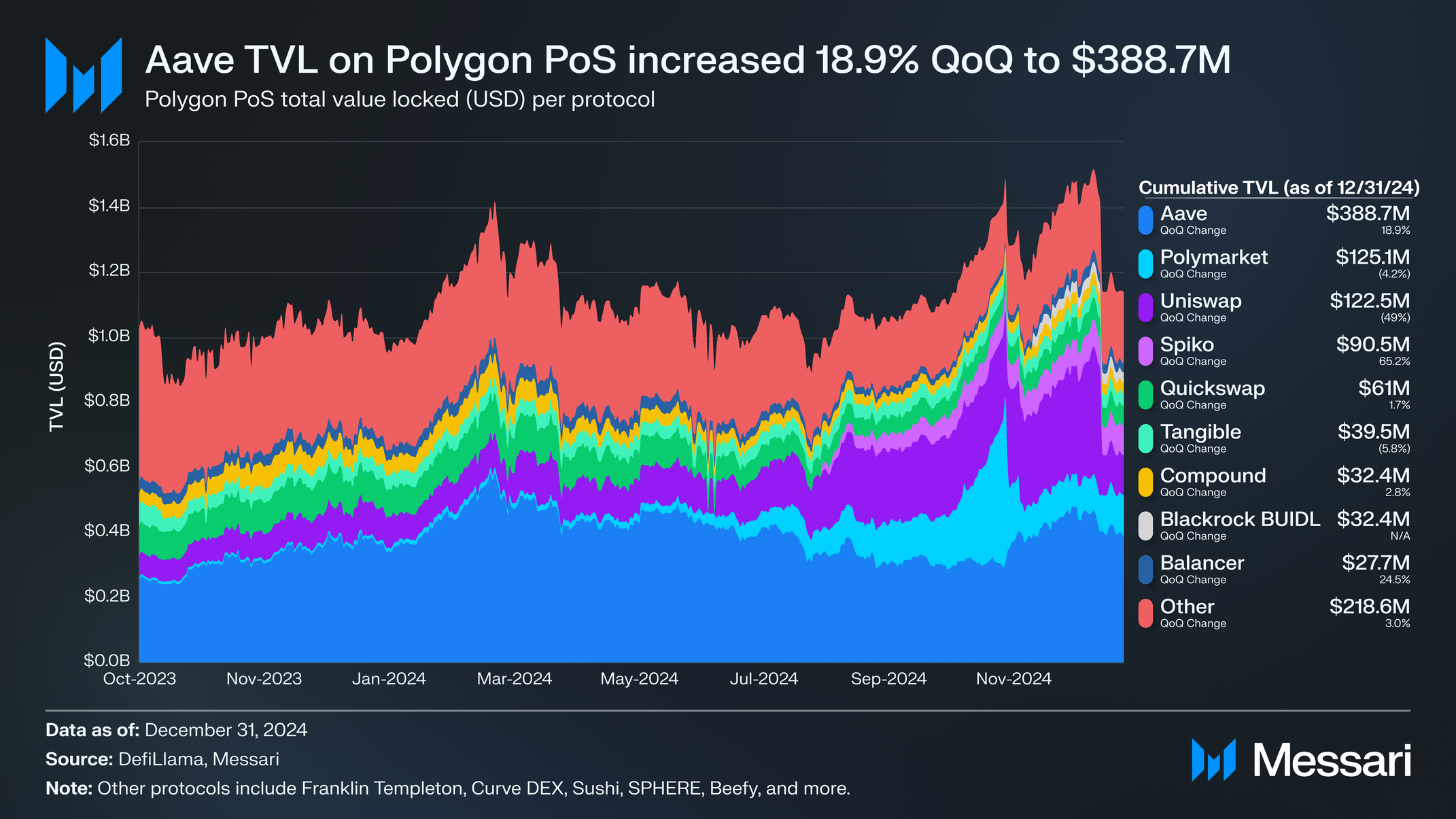
Institutional interest is further validated by BlackRock’s $500 million investment in the BUIDL tokenized fund on the Polygon network. This significant capital deployment underscores the viability of Polygon’s infrastructure for tokenized real-world assets. For enterprises, the choice often comes down to balancing the robustness of Polygon’s EVM compatibility with the specific compliance tools provided by its acquired partners.
Comparison of Enterprise DeFi Infrastructure
| Feature | Polygon Enterprise | Traditional SWIFT | Other L2 Chains |
|---|---|---|---|
| Settlement Time | Seconds | Days | Seconds |
| Cost per Transaction | < $0.01 | High | < $0.01 |
| Compliance Tools | Integrated via Sequence | Built-in | Varies |
| Asset Support | Stablecoins, RWA | Fiat | Varied |
Tradeoffs by Use Case
For high-frequency treasury operations, Polygon’s low latency and cost make it superior to traditional banking rails. However, enterprises must weigh the regulatory clarity of stablecoin transactions against the established legal frameworks of fiat systems. While Polygon offers technical superiority, the legal landscape for DeFi remains less defined than for traditional finance.
Decision Guide
Choose Polygon for pilots requiring instant settlement and low fees, particularly for stablecoin-heavy workflows. Opt for traditional rails if regulatory certainty outweighs the need for speed. The strategic roadmap suggests that Polygon will continue to deepen its integration with traditional finance, making it a viable candidate for hybrid enterprise systems.
Evaluating Polygon Enterprise DeFi Pilots
Choosing a Polygon-based infrastructure for institutional DeFi requires balancing speed, compliance, and cost. The network offers a lightweight stack with APIs and SDKs designed to integrate easily with existing enterprise systems, reducing the friction of legacy migration. However, the specific pilot architecture—whether focused on stablecoin rails, security tokens, or general payments—dictates the necessary tooling and regulatory overhead.
Core Tradeoff Factors
Institutional pilots generally fall into three categories, each with distinct operational implications:
Stablecoin Infrastructure Polygon has positioned itself as a stablecoin-first blockchain, acquiring assets like Coinme and Sequence to strengthen its payment rails. This approach prioritizes high throughput and low transaction fees, making it ideal for cross-border settlements and high-volume retail payments. The tradeoff is that it requires robust liquidity management and strict adherence to stablecoin reserve auditing standards.
Security Tokenization Pilots such as the Bank of Italy’s initiative focus on regulated security token trading. These systems prioritize legal compliance and identity verification over raw speed. The tradeoff here is complexity; implementing on-chain governance and regulatory reporting layers adds development time and requires specialized legal infrastructure that generic DeFi protocols lack.
General Enterprise Payments For broader payment integration, Polygon’s modular architecture allows institutions to build custom solutions using existing smart contract tools. This offers maximum flexibility but demands significant internal engineering resources to secure and maintain the custom codebase, unlike plug-and-play stablecoin solutions.
Comparison of Pilot Models
The following table compares the primary operational characteristics of these pilot categories to help determine fit for your specific use case.
| Feature | Stablecoin Rails | Security Tokens | General Payments |
|---|---|---|---|
| Primary Goal | High-volume transactions | Regulated asset trading | Flexible integration |
| Speed & Cost | Ultra-low latency, near-zero fees | Moderate latency, moderate fees | Variable, depends on configuration |
| Compliance Layer | KYC/AML at on-ramp/off-ramp | On-chain identity and legal wrappers | Custom or third-party integration |
| Key Partners | Coinme, Sequence | Bank of Italy, regulatory bodies | Various enterprise SDK providers |
| Development Effort | Low to Moderate | High | Moderate to High |
Decision Framework
Select the pilot model that aligns with your primary constraint. If your goal is to move value quickly and cheaply across borders, stablecoin rails offer the most mature infrastructure. If you are tokenizing real-world assets like bonds or equity, security token pilots provide the necessary legal scaffolding, despite the higher development cost. For general business logic that doesn't fit either mold, general payment integrations offer the flexibility to build custom solutions, provided you have the engineering capacity to secure them.
How to Choose a Polygon Enterprise DeFi Pilot
Selecting a Polygon pilot requires matching specific infrastructure capabilities to your operational constraints. Polygon is repositioning itself as a stablecoin-first blockchain, having acquired Coinme and Sequence for over $250 million to build dedicated rails for institutional payments. This shift means your choice of pilot depends less on general blockchain utility and more on how well the network handles high-volume, low-latency fiat-to-crypto settlements.
1. Evaluate Integration Complexity
Start by auditing your existing tech stack. Polygon offers lightweight APIs, SDKs, and smart contract tools designed to connect payment infrastructure directly to legacy enterprise systems. If your team already uses Ethereum-compatible development environments, the integration path is straightforward. However, if you rely on non-standard legacy databases, the abstraction layer required to bridge those systems adds significant development time and cost. Prioritize pilots that offer pre-built connectors for your specific ERP or payment gateway.
2. Assess Stablecoin Volume and Liquidity
With Polygon’s heavy investment in stablecoin infrastructure, liquidity is deepest for major US-based assets like USDC and USDT. If your pilot involves cross-border B2B payments, verify that the specific stablecoin you intend to use has sufficient depth on Polygon’s top DEXs and CEX integrations. Thin liquidity on niche stablecoins can cause slippage that erodes margins, making a seemingly cheap transaction expensive in practice.
3. Compare Settlement Finality
Not all enterprise use cases can tolerate the few seconds of finality provided by standard Polygon PoS. For high-frequency trading or real-time clearing, evaluate Polygon zkEVM or Polygon CDK (Customizable Data Availability) options that offer near-instant finality. The trade-off is often higher computational overhead. Map your transaction throughput requirements against the specific Polygon network variant to avoid over-engineering your solution.
Define the exact transaction volume and latency requirements. Identify whether the pilot is for internal treasury management or external customer-facing payments.
Choose between Polygon PoS for cost efficiency or Polygon zkEVM/CDK for finality and scalability, depending on the use case identified in step one.
Execute a small-scale transaction flow using the selected SDKs. Measure actual gas costs and settlement times against your theoretical models.
Ensure the custody solution used in the pilot meets your internal security policies. Verify that the stablecoin rails support the necessary KYC/AML checkpoints.
| Network Variant | Finality | Best For |
|---|---|---|
| Polygon PoS | ~2 seconds | High-volume, low-cost payments |
| Polygon zkEVM | Near-instant | Real-time clearing and trading |
| Polygon CDK | Configurable | Custom enterprise rollups |


As an Amazon Associate, we may earn from qualifying purchases.
Spotting Weak Options in Enterprise DeFi
Enterprise adoption of Polygon often stalls because teams confuse infrastructure availability with institutional readiness. The network offers lightweight APIs and SDKs to connect payment rails, but these tools do not solve compliance or liquidity fragmentation. Buyers frequently overlook that Polygon’s $250 million acquisition strategy for Coinme and Sequence targets stablecoin rails, not general-purpose enterprise DeFi. This distinction matters when evaluating pilot viability.
A common mistake is assuming BlackRock’s involvement guarantees broad enterprise compatibility. BlackRock’s Tokenized Fund BUIDL made a single $500 million investment in the Polygon network, confirming a strategic interest in tokenized assets. However, this specific transaction does not imply that Polygon’s current infrastructure supports generic institutional DeFi workflows. Relying on this single data point as proof of widespread enterprise adoption is misleading.
When comparing options, focus on the specific use case. Polygon excels in stablecoin payments and high-throughput transactions, but it may lack the specialized compliance layers required for complex DeFi derivatives. Evaluate whether the pilot’s requirements align with Polygon’s stablecoin-first pivot or if a more specialized chain offers a better fit. Do not let marketing around major investments obscure the practical tradeoffs of the underlying technology.
Polygon enterprise defi pilots analysis: what to check next
Institutional adoption of blockchain infrastructure requires clarity on both strategic partnerships and technical readiness. Below are the most common questions regarding Polygon’s enterprise DeFi pilots, stablecoin strategy, and recent high-profile investments.
No comments yet. Be the first to share your thoughts!