Why enterprises choose Polygon for DeFi
Enterprise adoption of decentralized finance is no longer about speculation; it is about infrastructure. Polygon has positioned itself as a stablecoin-first layer, specifically designed to handle the high-volume, low-cost transactions that corporate finance teams require. This shift moves the conversation away from volatile asset trading toward practical B2B applications like cross-border payments, treasury management, and automated payroll.
The strategy is clear: build the rails, not the casino. By acquiring Coinme and Sequence for over $250 million, Polygon is consolidating its role as the primary settlement layer for institutional stablecoin flows. This investment signals a commitment to compliance and ease of integration, addressing the two biggest hurdles for traditional finance: regulatory uncertainty and technical friction.
For finance professionals, the appeal lies in predictability. Polygon’s architecture offers consistent transaction costs and finality times that rival traditional banking rails but without the intermediaries. This allows enterprises to execute complex financial operations in real-time, reducing settlement risk and operational overhead. The focus is on utility, ensuring that every block processed serves a tangible business purpose.
Key enterprise pilot use cases in 2026
Enterprise finance teams are moving past experimentation into structured pilots that address specific operational bottlenecks. The focus in 2026 has shifted from general blockchain awareness to concrete workflows: cross-border B2B payments, treasury management, and security token issuance. These pilots leverage Polygon’s infrastructure to solve legacy inefficiencies in speed, cost, and accessibility.
Stablecoin payments for cross-border B2B transactions
The most immediate value proposition for enterprise DeFi pilots is the replacement of traditional SWIFT-based settlements with stablecoin payments. Finance teams are integrating stablecoin infrastructure to enable instant, low-cost cross-border settlement for suppliers and partners. This workflow eliminates the multi-day delays and high intermediary fees associated with traditional banking rails, allowing for real-time reconciliation and improved cash flow management.
Treasury management and payroll automation
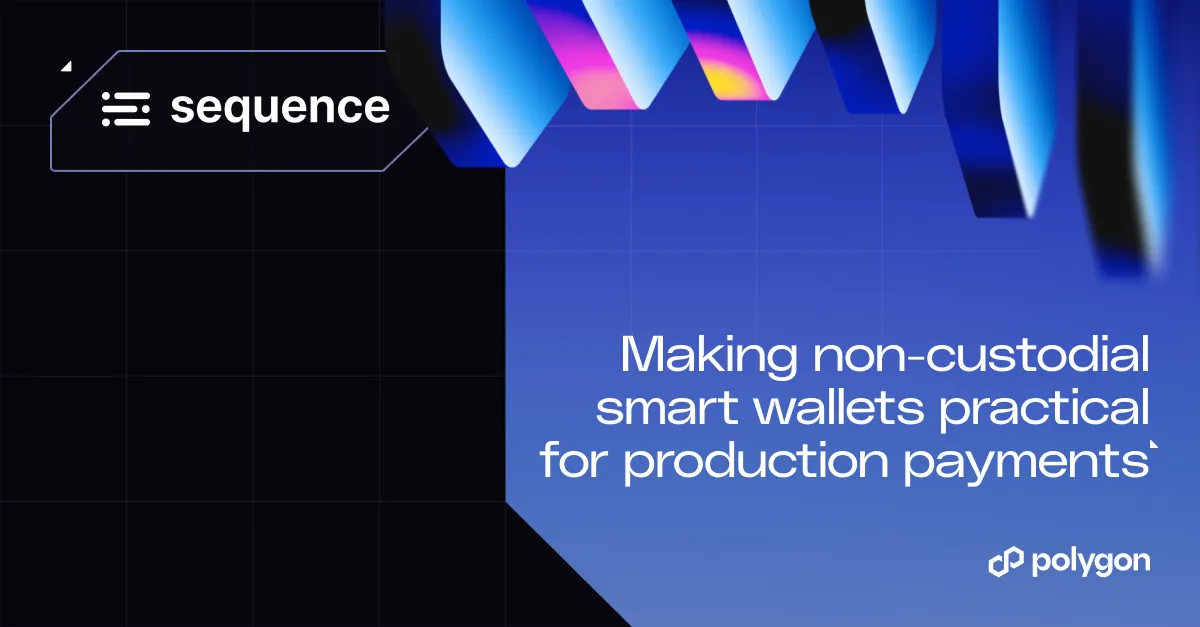
Beyond payments, enterprises are testing stablecoin treasury management to optimize liquidity. By holding reserves in stablecoins, finance teams can deploy capital across borders without the friction of currency conversion delays. Some pilots also extend to payroll, enabling faster disbursement to global workforces while reducing transaction costs. This approach requires robust smart wallet solutions to manage non-custodial security at scale, ensuring that enterprise funds remain secure while maintaining operational flexibility.
Security token trading and regulatory compliance
A more complex but high-impact use case is the issuance and trading of security tokens. Pilots led by institutions like the Bank of Italy are exploring regulated environments for security token trading. These initiatives focus on creating compliant digital assets that represent real-world financial instruments, such as bonds or equity. The goal is to streamline secondary market trading while maintaining strict regulatory oversight, demonstrating how blockchain can enhance transparency and efficiency in capital markets without compromising compliance.
| Feature | Traditional Settlement | Polygon Stablecoin Settlement |
|---|---|---|
| Settlement Speed | 1-3 business days | Seconds to minutes |
| Cross-Border Cost | High (intermediary fees) | Low (network fees) |
| Accessibility | Limited to banked entities | Open to any digital wallet |
| Transparency | Opaque ledger access | Public, real-time verification |
Building the rails for enterprise adoption
Polygon is moving beyond speculation to build the actual infrastructure enterprises need to deploy capital. The strategy centers on two major acquisitions: Coinme and Sequence. Together, these deals cost over $250 million and signal a clear pivot toward becoming the default stablecoin rails for global finance.
The acquisition of Coinme addresses the hardest part of crypto adoption: onboarding. Coinme operates one of the largest networks of physical Bitcoin ATMs in the United States. By integrating this network, Polygon creates a direct bridge between fiat currency and on-chain assets. This matters for enterprise clients who need reliable, compliant entry points for their users. It turns abstract blockchain concepts into tangible, everyday transactions.
Sequence, acquired simultaneously, handles the other side of the equation: user experience. It is a no-code platform that allows developers to build decentralized applications without writing complex smart contracts. For traditional financial institutions, this lowers the barrier to entry significantly. They can launch DeFi products that feel like standard web applications, removing the friction that has historically slowed institutional adoption.
These moves are not just about buying technology; they are about buying time and trust. By controlling both the entry (Coinme) and the interface (Sequence), Polygon is constructing a closed loop that makes it easier for banks and payment processors to operate on-chain. This infrastructure-first approach distinguishes Polygon from competitors who focus primarily on speculative trading volumes.
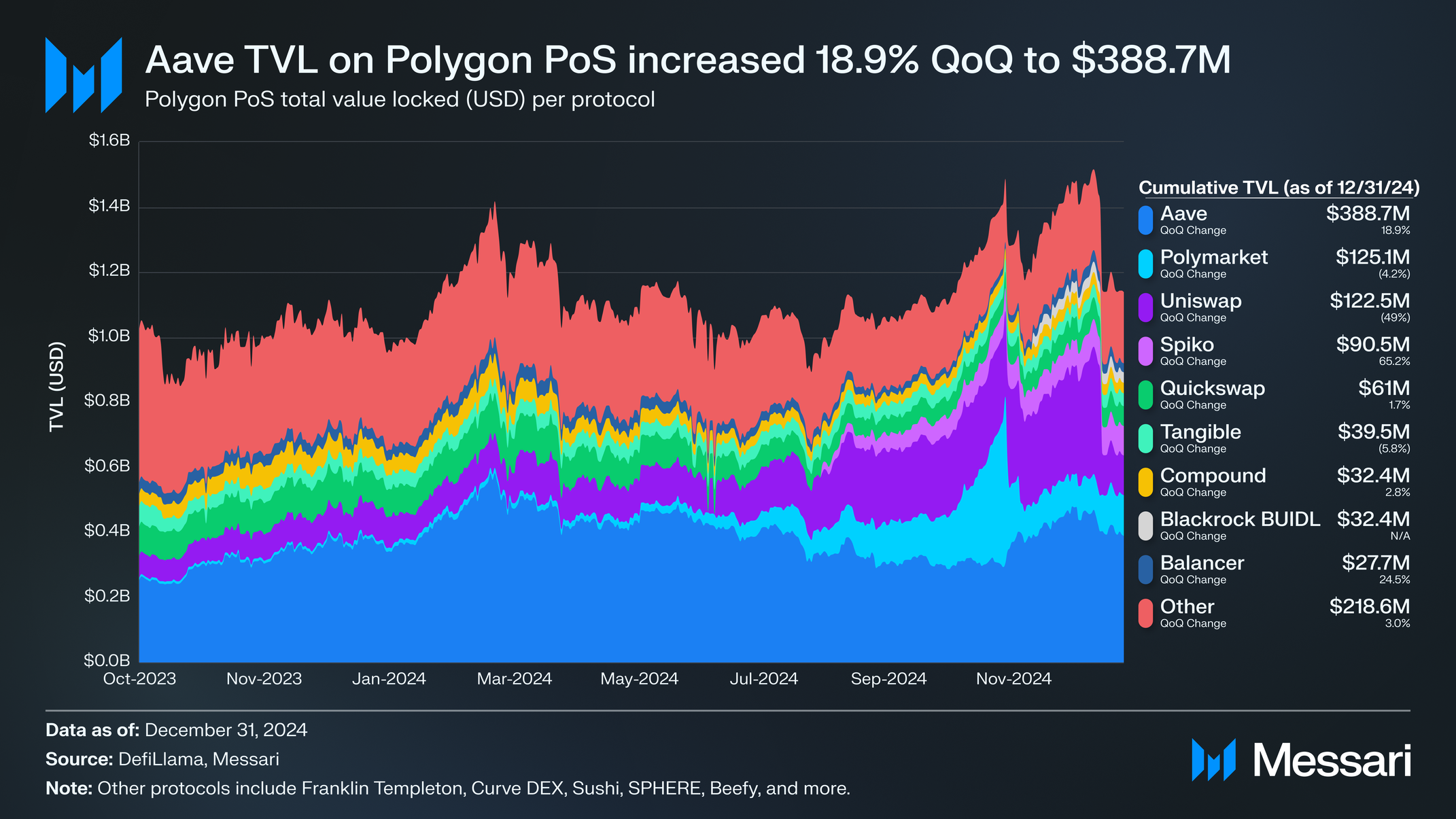
The market is watching this shift closely. The technical chart for MATIC shows how liquidity responds to these fundamental developments. As enterprise pilots come online, the demand for this specific infrastructure will likely drive sustained interest, separating Polygon’s utility from broader market volatility.
Regulatory considerations and compliance
Enterprise adoption of DeFi on Polygon hinges on navigating a complex regulatory landscape. Unlike consumer-facing crypto applications, enterprise pilots must align with existing financial frameworks, particularly those governing securities and cross-border payments. The path forward is not about bypassing rules, but about embedding compliance into the protocol layer.
A primary example of this approach is the Bank of Italy’s pilot on Polygon. This initiative focuses on creating a regulated environment for security token trading. By exploring different designs for security tokens, the pilot demonstrates how traditional financial institutions can leverage blockchain infrastructure while maintaining strict adherence to regulatory standards. This effort highlights the potential for Polygon to serve as a bridge between legacy finance and decentralized technology.
For finance teams, this means prioritizing solutions that offer built-in compliance features. Stablecoin payments and treasury management tools on Polygon are increasingly designed to meet enterprise-grade requirements. These tools facilitate cross-border B2B payments and payroll with real cost savings, but they also require careful oversight to ensure they remain within legal boundaries.
Understanding these nuances is critical for any organization looking to integrate DeFi into its operations. The focus should be on practical, actionable insights that align with current regulations, ensuring that innovation does not come at the cost of compliance.
How to evaluate a Polygon DeFi pilot
Enterprises moving from pilot to production need more than a working demo. The evaluation phase separates infrastructure that scales from proof-of-concept experiments. This checklist focuses on operational readiness, compliance, and cost structure.
Evaluate whether the solution supports KYC/AML checks at the protocol or application layer. Polygon’s permissioned sidechains and enterprise-grade nodes offer privacy features that public chains lack. Ensure the pilot can integrate with your existing identity verification providers without exposing sensitive user data on-chain.
Enterprise budgets require stable transaction costs. Polygon’s fee structure is significantly lower than Ethereum L1, but volatility can still impact high-frequency use cases. Review historical gas data for your specific transaction volume. If costs spike during network congestion, the pilot may not be viable for critical payments or payroll.

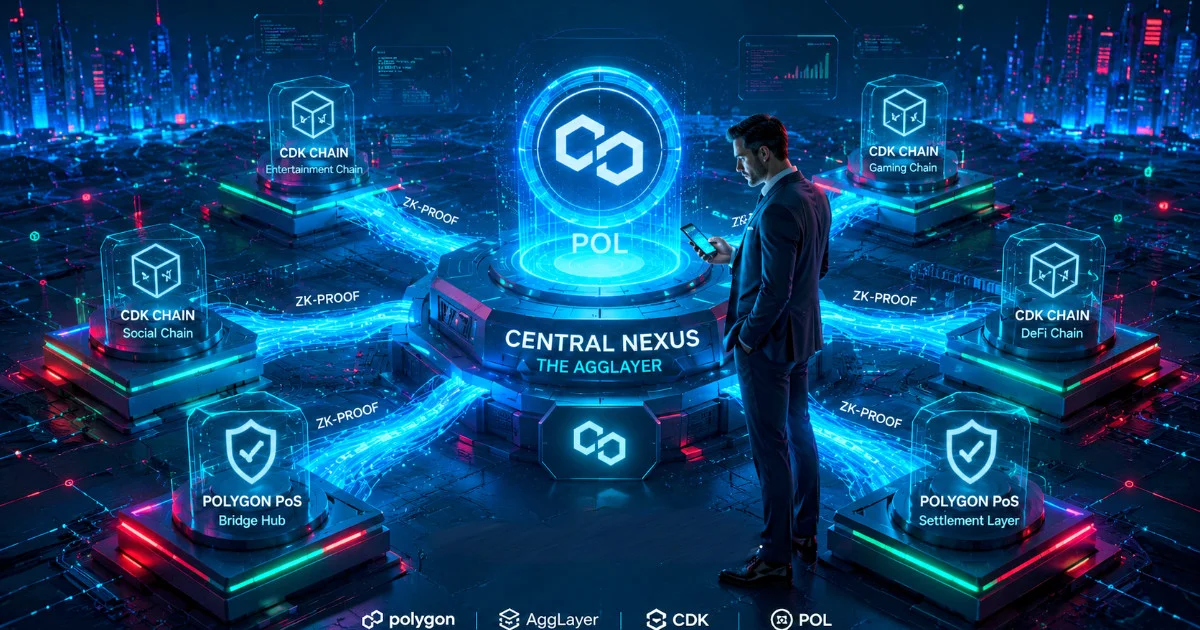
If your pilot involves assets originating from Ethereum or other chains, measure settlement finality and bridge security. Polygon’s PoS bridge and upcoming Polygon 2.0 architecture handle cross-chain communication differently. Verify that the bridge mechanism aligns with your risk tolerance and that exit liquidity is sufficient for your expected withdrawal volumes.
A pilot fails if the engineering team cannot troubleshoot issues quickly. Check if the solution provider offers dedicated enterprise support, clear documentation, and access to Polygon’s developer resources. Look for SLAs that guarantee uptime and response times during network upgrades or outages.
| Criterion | Public L1 | Polygon Enterprise |
|---|---|---|
The goal is to identify friction points before they become roadblocks. A successful pilot demonstrates not just technical feasibility, but operational fit within your existing financial workflows.
No comments yet. Be the first to share your thoughts!