Polygon Enterprise DeFi Pilots Analysis
The narrative around Polygon has shifted from a retail-focused scaling solution to a serious infrastructure provider for institutional finance. This transition is most visible in a series of high-profile pilots designed to bridge traditional finance with on-chain assets. These initiatives demonstrate that Polygon is no longer just testing the waters of enterprise adoption; it is actively building the regulatory and technical frameworks required for large-scale financial integration.
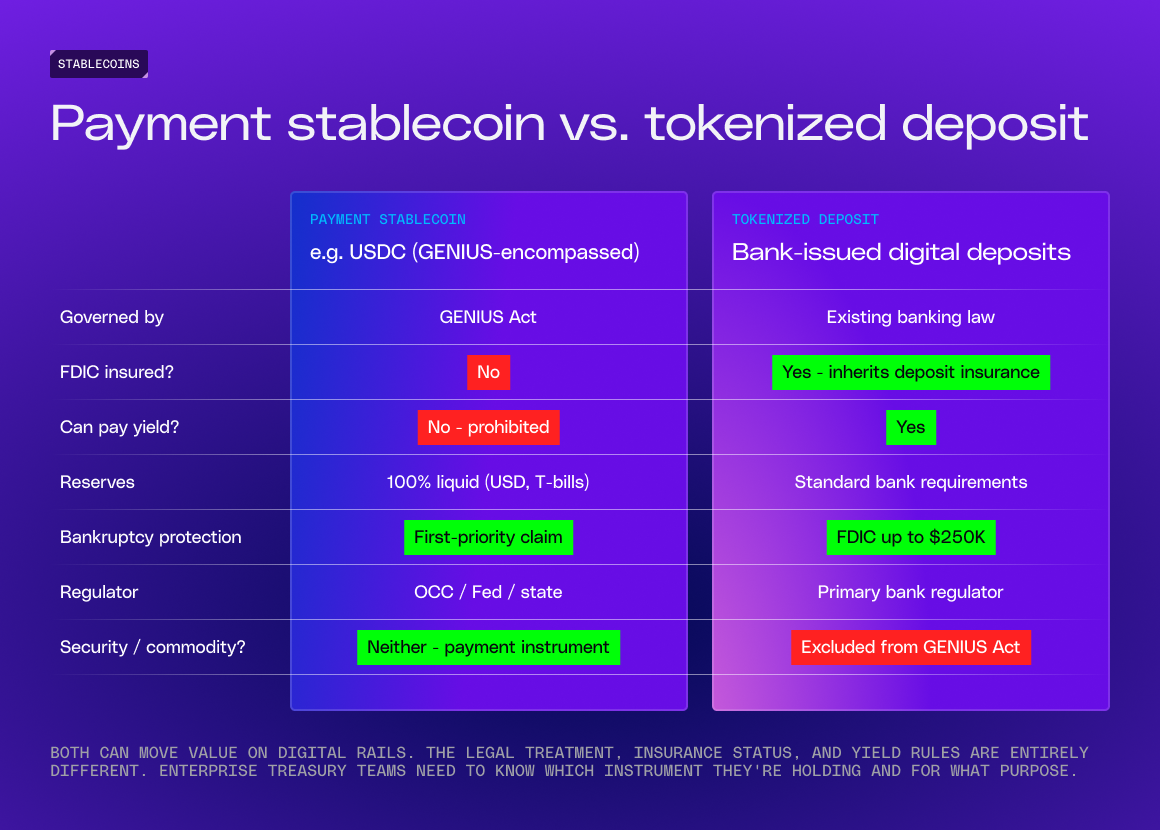
A cornerstone of this strategy is the partnership with Mastercard. By leveraging Polygon’s infrastructure, Mastercard is powering stablecoin cards and wallets, a move that has already facilitated over $8 billion in monthly transaction volumes. This scale is not merely a metric of success but a proof point of stability. For enterprise clients, the ability to process billions in volume with low fees and high throughput makes Polygon a viable alternative to legacy payment rails. The collaboration underscores a growing consensus that stablecoins are the immediate bridge for institutional DeFi, and Polygon is positioning itself as the primary highway for that traffic.
Equally significant is the Bank of Italy’s pilot program, which aims to create a regulated environment for security token trading. This initiative goes beyond simple payments, exploring complex designs for tokenized securities within a compliant framework. Such a pilot is critical because it addresses the primary hesitation of traditional banks: regulatory uncertainty. By working with a central bank to test these mechanisms, Polygon is helping to define the standards for how traditional assets can be digitized and traded securely. This effort signals that Polygon’s infrastructure is robust enough to handle the stringent requirements of institutional-grade finance, moving beyond speculative DeFi into tangible, regulated financial services.
These pilots collectively illustrate a strategic pivot. Polygon is no longer competing solely on speed or cost against other layer-2 solutions; it is competing on trust and integration. The combination of Mastercard’s payment network reach and the Bank of Italy’s regulatory expertise creates a unique value proposition for enterprises. As more institutions seek to tokenize assets or integrate crypto payments, Polygon’s established track record in these specific areas gives it a distinct advantage. The infrastructure is in place, and the regulatory pathways are being actively tested, making Polygon a central player in the next phase of DeFi evolution.
Stablecoin rails and payment infrastructure
Polygon Enterprise DeFi Pilots analysis reveals that the primary advantage lies in the underlying payment rails. By leveraging Polygon’s high-throughput architecture, enterprises can process stablecoin transactions with near-instant finality and negligible fees. This infrastructure is designed to match the volume and speed requirements of traditional financial institutions, effectively bridging the gap between legacy banking systems and decentralized finance.
The technical foundation relies on Polygon’s PoS sidechain, which offers Ethereum-anchored security while maintaining low transaction costs. This allows for high-frequency micro-transactions and bulk payments that would be prohibitively expensive on the Ethereum mainnet. For enterprise pilots, this means the ability to scale payment operations globally without the latency and cost barriers associated with traditional cross-border settlements.
To understand how Polygon’s enterprise payment features stack up against traditional methods and other Layer 2 solutions, consider the following comparison of key infrastructure metrics.
| Feature | Polygon Enterprise | Traditional SWIFT | Other L2s |
|---|---|---|---|
| Transaction Finality | < 2 seconds | 1-3 days | 2-5 minutes |
| Cost per Transaction | < $0.01 | $15-$50+ | $0.01-$0.10 |
| Ethereum Security | Yes (Anchored) | N/A (Centralized) | Varies |
| Global Liquidity | 24/7 Access | Business Hours | 24/7 Access |
| Scalability | High (40+ TPS) | Low (Batch) | Medium-High |
Polygon’s approach opens up significant opportunities for crypto partners and financial institutions alike. By providing a robust, institution-grade framework, it facilitates access to global liquidity channels and enables seamless integration with existing financial ecosystems. This infrastructure is not just about speed; it is about creating a reliable, secure, and cost-effective network for the next generation of digital payments.
For readers interested in the hardware or software tools that might support enterprise blockchain development and testing, here are some recommended resources.


As an Amazon Associate, we may earn from qualifying purchases.
Security and regulatory compliance
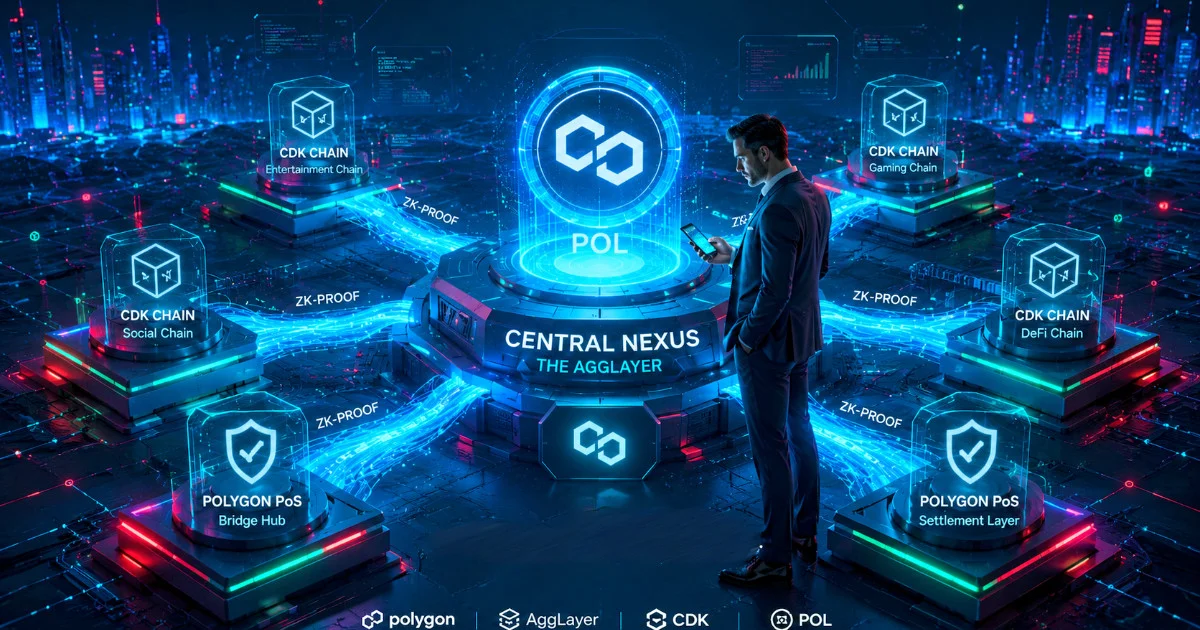
Institutional adoption of Polygon Enterprise DeFi Pilots analysis hinges on one non-negotiable factor: trust. For regulated entities, the ability to prove asset origin and ensure transaction finality is not a feature—it is the foundation of the entire operation. Polygon addresses this by anchoring its security model directly to Ethereum, providing a familiar and battle-tested layer of protection that enterprise risk officers recognize and respect.
This Ethereum anchoring ensures that every transaction on Polygon inherits the security guarantees of the Ethereum mainnet. Unlike isolated networks that must build their own validator sets from scratch, Polygon leverages Ethereum’s decentralized consensus. This means that when an enterprise processes a high-value transfer, the finality is guaranteed by one of the most secure blockchain networks in existence. It eliminates the counterparty risk associated with smaller, less proven networks, offering a robust framework for stablecoin movements and cross-border payments.
Beyond network security, regulatory compliance requires visibility. Polygon has integrated Know Your Transaction (KYT) capabilities directly into its infrastructure. This allows enterprises to screen transactions in real-time against global sanctions lists and suspicious activity databases. Whether dealing with public transfers or private payments for stablecoins, KYT ensures that compliance teams can identify and flag risky interactions before they settle. This proactive approach transforms compliance from a retrospective audit burden into a real-time operational safeguard.
For finance leaders, this infrastructure reduces the friction of onboarding digital assets. It provides the audit trails and security standards required by banking regulators, making Polygon a viable candidate for enterprise-grade DeFi integration. The result is a system that balances the speed and cost benefits of Layer 2 scaling with the rigorous security and compliance expectations of traditional finance.
Market positioning and choices that change the plan
The Polygon Enterprise DeFi Pilots analysis reveals a platform caught between two powerful forces: the raw speed of Solana and the regulatory comfort of Ethereum L2s. Polygon’s strategy isn’t to outperform every competitor in every metric, but to carve out a specific niche in enterprise-grade stablecoin infrastructure. This positioning creates distinct tradeoffs in speed, decentralization, and compliance readiness that define its current market value.
Speed and throughput choices that change the plan
Polygon’s real-world transaction throughput typically ranges from 35 to 45 tps. While this is considerably faster than Ethereum mainnet and many competing L2s, it lags behind Solana’s theoretical peak. For enterprise pilots focused on high-frequency trading or real-time gaming, this difference can be decisive. However, for stablecoin rails and settlement layers, Polygon’s consistency often outweighs Solana’s raw velocity, offering a more predictable execution environment for financial institutions.
Decentralization and Security
The tradeoff for Polygon’s efficiency is a degree of centralization inherent in its proof-of-stake validator set. Ethereum L2s like Arbitrum or Optimism often appeal to enterprises prioritizing maximal decentralization and security inheritance from the Ethereum mainnet. Polygon offers a middle ground: more security than many standalone chains, but less than the base layer. This makes it suitable for pilots where speed matters, but where absolute sovereign security is not the primary constraint.
Enterprise Readiness and Compliance
Polygon’s strongest competitive advantage lies in its focus on interoperability and stablecoin rails. As noted in recent analyses, Polygon is uniquely positioned to compete with integrated stacks like Stripe’s Tempo and Circle’s Arc. By prioritizing regulatory clarity and developer accessibility, Polygon attracts enterprises that need to bridge traditional finance with DeFi without sacrificing compliance. This strategic focus makes it a preferred choice for pilots involving tokenized assets and cross-border payments.
We compare Polygon's strategy to competing integrated stacks from Stripe's Tempo and Circle's Arc, arguing that Polygon is uniquely positioned...— Lex Substack
Strategic outlook for enterprise DeFi pilots analysis
The path forward for Polygon Enterprise DeFi Pilots analysis centers on execution speed and compliance maturity. As the network transitions to its proof-of-stake consensus, enterprises must evaluate whether the current infrastructure meets their specific regulatory and performance requirements. This is not merely a technology upgrade; it is a strategic alignment of risk and reward.
To navigate this landscape, enterprises should follow a structured due diligence process. This approach ensures that pilot programs are built on a foundation of technical stability and legal clarity.

Verify that the chosen Polygon zkEVM or PoS chain aligns with your jurisdiction’s financial regulations. Enterprise DeFi pilots require clear legal wrappers before any capital is deployed.
Conduct a thorough security review of all integrated protocols. Unlike public retail trading, enterprise pilots cannot afford unverified vulnerabilities in the underlying codebase.
Compare finality times against your operational SLAs. While Polygon offers speed, enterprise workflows often require deterministic finality that only specific consensus layers can guarantee.
Ensure your pilot can interact with Ethereum mainnet and other L2s. A siloed DeFi pilot fails to leverage the full potential of the broader crypto ecosystem.
The success of these pilots will likely determine Polygon’s share of the institutional DeFi market. Enterprises that move quickly with rigorous due diligence will be best positioned to capitalize on the network’s evolving capabilities.
Polygon enterprise defi pilots analysis: frequently asked: what to check next
Understanding the technical and strategic realities of Polygon's enterprise-grade infrastructure requires looking beyond speculative price targets. This section addresses common queries regarding the network's scalability, competitive positioning, and long-term viability within the institutional DeFi landscape.
No comments yet. Be the first to share your thoughts!