Institutional pilots reshape the market
The narrative around decentralized finance is shifting. We are moving past the era of speculative yield farming and into a phase defined by compliance, infrastructure, and institutional adoption. 2026 marks a distinct turning point where regulatory frameworks begin to integrate with blockchain technology rather than opposing it.
The most significant signal of this transition is the Bank of Italy’s pilot program on Polygon. This initiative is not a theoretical exercise; it is a concrete effort to build a regulated platform for institutional security token trading. By leveraging Polygon’s Ethereum-compatible infrastructure, the central bank is exploring practical designs for security tokens that meet strict regulatory standards.
This pilot demonstrates that major financial institutions are no longer asking "if" they should use blockchain, but "how" to do it within existing legal boundaries. The focus is on creating a secure, auditable environment for high-value assets. This approach contrasts sharply with the unregulated nature of early DeFi protocols.
The broader market reflects this maturation. Industry projections indicate the DeFi market size will reach approximately $238 billion by 2026, growing at a compound annual rate of 26.43%. This growth is not driven by hype, but by the tangible utility of institutional-grade infrastructure. As central banks and private institutions align on standards like those being tested in the Bank of Italy pilot, the foundation for a regulated global financial system becomes clearer.
Stablecoin rails for enterprise settlement
Enterprise finance teams are moving beyond speculation, using Polygon’s infrastructure to handle cross-border B2B payments and treasury management. The shift is driven by the need for predictable settlement times and lower transaction costs compared to traditional correspondent banking networks. Stablecoins provide a neutral, programmable medium of exchange that operates 24/7, eliminating the friction of weekend delays and currency conversion bottlenecks.
Polygon’s architecture supports this utility through high throughput and low fees, making micro-transactions and high-volume payroll feasible. Recent pilot outcomes highlight how finance departments are integrating these rails for real-time reconciliation. By leveraging Polygon’s compatibility with existing financial standards, enterprises can bridge the gap between legacy ERP systems and blockchain-based settlement layers.
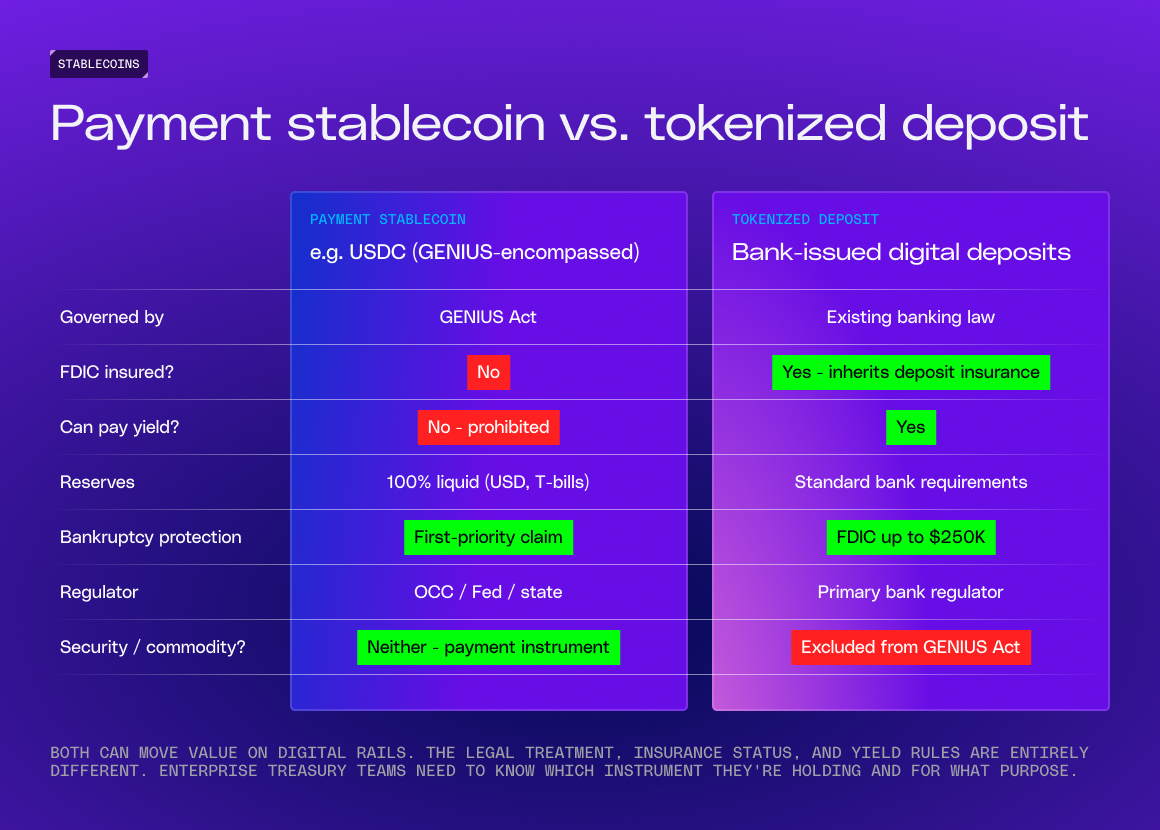
The infrastructure also supports treasury management by allowing firms to hold and move value in stable assets like USDC without the volatility of native cryptocurrencies. This stability is critical for balance sheet management, where predictable valuation is required for accurate financial reporting. The growing adoption by major partners, including Mastercard’s integration with Polygon Labs, signals a maturing ecosystem focused on practical enterprise use cases rather than speculative trading.

Regulatory frameworks and security tokens
Use this section to make the Polygon Enterprise DeFi Pilots decision easier to compare in real life, not just on paper. Start with the reader's actual constraint, then separate must-have requirements from details that are merely nice to have. A practical choice should survive normal use, maintenance, timing, and budget. If a recommendation only works in an ideal situation, call that out plainly and give the reader a fallback path.
The simplest way to use this section is to write down the must-have criteria first, then compare each option against those criteria before weighing nice-to-have features.
Evaluating infrastructure for your business
Before committing capital to a Polygon-based DeFi integration, finance teams need a concrete audit of the infrastructure’s readiness. This isn’t about speculation; it’s about verifying that the technical and compliance layers can support your specific operational needs. Use this ordered checklist to assess Polygon’s suitability for your enterprise DeFi pilots.
Enterprise DeFi requires predictable transaction finality. Check Polygon’s current block times and confirmation thresholds. For high-frequency B2B payments, near-instant finality is non-negotiable. Ensure your treasury systems can handle the latency without risking double-spending or reconciliation errors.

DeFi’s edge is its openness, but enterprise adoption demands compliance. Verify that the Polygon ecosystem offers integrated KYC/AML gateways or permissioned pools. If your pilot involves regulated assets, ensure the infrastructure supports identity verification layers that align with Bank of Italy or local regulatory standards.
Your ERP and accounting software likely don’t speak Solidity. Assess the availability and reliability of middleware or bridges that connect Polygon smart contracts to your existing financial infrastructure. Seamless data flow between on-chain settlements and off-chain ledgers is critical for audit trails.

Volatile gas fees can disrupt treasury management. Analyze Polygon’s current fee structure and historical stability. For enterprise pilots, predictable transaction costs are essential for accurate financial modeling. Ensure your budget accounts for fee fluctuations during peak network congestion.
No DeFi integration is viable without rigorous security. Review the audit history of the specific Polygon networks or sidechains you plan to use. Look for third-party security assessments and bug bounty programs. A clean security record is a prerequisite for any enterprise-grade deployment.
This checklist provides a foundational framework. However, each enterprise’s needs are unique. Use these steps as a starting point for deeper technical due diligence before initiating any pilot programs.
DeFi market trajectory
Polygon’s enterprise pilots operate within a rapidly expanding decentralized finance sector. Mordor Intelligence projects the global DeFi market will reach $238.54 billion by 2026, growing at a 26.43% compound annual growth rate. This expansion is driven by institutional adoption of transparent, programmable financial infrastructure.
The scale of this growth underscores the necessity for robust, compliant settlement layers. Polygon’s focus on enterprise-grade DeFi aligns with this upward trajectory, positioning the network to capture institutional capital seeking efficient cross-border settlements and tokenized assets.
No comments yet. Be the first to share your thoughts!