Enterprise defi pilot limits to account for
Polygon’s enterprise DeFi pilots are no longer theoretical exercises. Finance teams are actively deploying stablecoin infrastructure for cross-border B2B payments, treasury management, and automated payroll. These pilots operate under strict constraints that define their viability in 2026.
The primary hurdle is regulatory alignment. Enterprises must ensure that stablecoin transactions comply with local anti-money laundering (AML) and know-your-customer (KYC) frameworks. Polygon’s permissioned sidechains and zkEVM solutions offer the necessary privacy controls, but integration with legacy banking systems remains complex. Finance teams must validate that on-chain settlements can be reconciled with off-chain accounting ledgers without manual intervention.
Second, liquidity fragmentation poses a significant risk. While Polygon supports multiple stablecoins, deep liquidity is often concentrated in specific pools. Pilots must account for slippage during large-scale treasury rebalancing. Successful implementations typically use aggregated liquidity providers or direct OTC desks to minimize market impact, ensuring that enterprise-scale transactions do not disrupt broader market prices.
Finally, operational resilience is non-negotiable. Enterprise pilots require 99.99% uptime and instant finality. Polygon’s low-latency block times support this, but smart contract audits and multi-signature wallet protocols are essential. Without rigorous security layers, the cost of a breach far outweighs the savings from reduced transaction fees. Enterprises must treat these pilots as production-grade infrastructure, not beta tests.
Evaluating Trade-offs in Polygon Enterprise DeFi Pilots
Before committing to a Polygon-based DeFi pilot, enterprise architects must weigh operational complexity against settlement speed. The platform offers low-cost, high-throughput transactions, but the integration burden varies significantly depending on the use case. Teams should evaluate infrastructure requirements, compliance overhead, and liquidity depth to determine the right path.
Infrastructure and RPC Reliability
Enterprise workloads demand consistent uptime and audit trails. Polygon’s decentralized node infrastructure requires careful selection of RPC providers to avoid single points of failure. Providers like Chainstack offer compliance-ready endpoints with detailed logging, which is essential for financial auditing. Choosing a provider without proper SLA guarantees can introduce latency spikes during peak trading hours, disrupting automated settlement logic.
Compliance and Regulatory Alignment
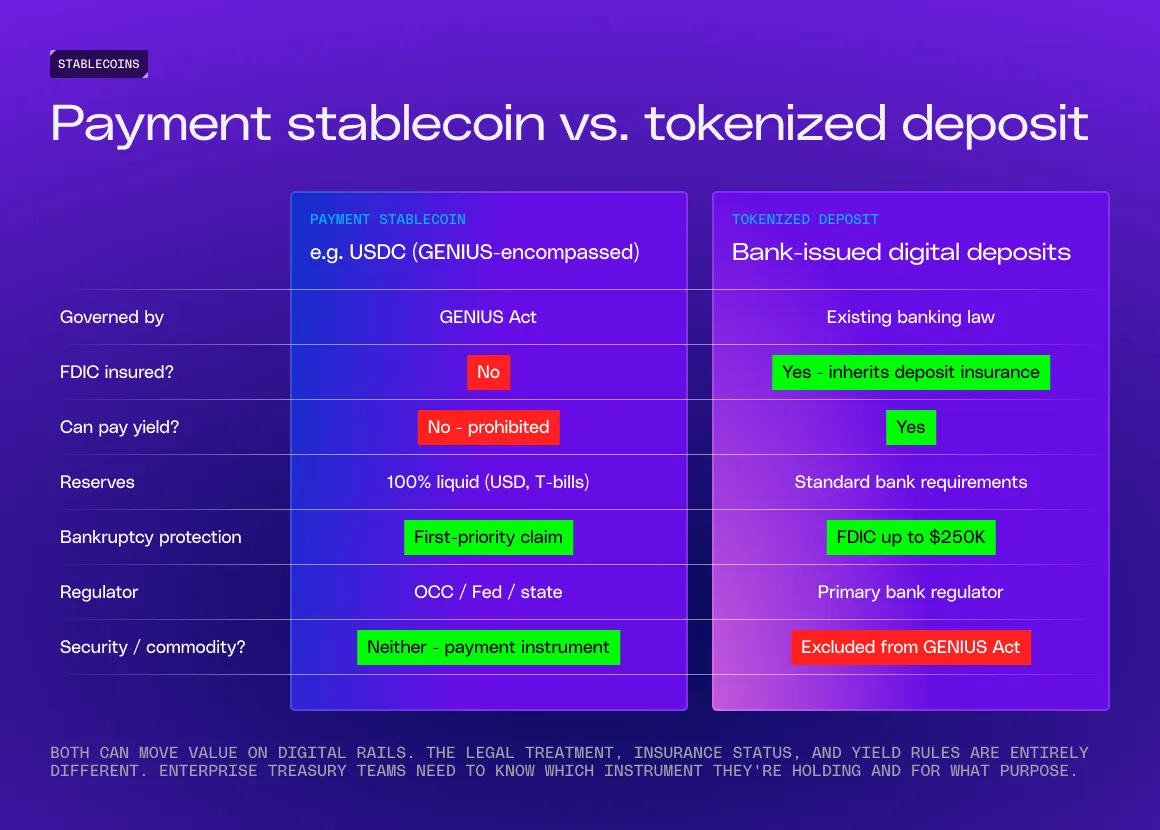
Stablecoin integrations for B2B payments and treasury management require strict adherence to AML/KYC standards. Polygon’s permissionless nature means enterprises must implement their own compliance layers or use regulated gateways. This adds development overhead compared to traditional SWIFT rails, where compliance is embedded in the banking layer. However, on-chain transparency can reduce reconciliation costs over time, provided the initial compliance architecture is robust.
Liquidity and Settlement Finality
Liquidity depth directly impacts slippage and execution quality for large-scale DeFi pilots. While Polygon supports major stablecoins like USDC and USDT, cross-border settlement speeds depend on the destination chain’s liquidity pools. Enterprises should test transaction finality times under load, as network congestion can occasionally delay confirmations. For high-frequency treasury operations, this variability must be accounted for in cash flow forecasting.
| Evaluation Factor | Cost Impact | Integration Complexity | Primary Risk |
|---|---|---|---|
| RPC Provider Selection | Medium (Monthly Fees) | High (SLA Negotiation) | Node Downtime |
| Compliance Layer | High (Development) | High (Legal/Dev) | Regulatory Non-Compliance |
| Liquidity Depth | Variable (Slippage) | Low (Market Dependent) | Execution Delay |
| Settlement Finality | Low (Gas Fees) | Low (Network Dependent) | Network Congestion |
Choose the next step: Turn the research into a practical decision framework
Picking the right pilot use case depends on matching your operational pain points with Polygon’s specific infrastructure strengths. Don’t start with technology; start with the friction you’re trying to eliminate. The following four scenarios represent the most mature entry points for enterprise DeFi on Polygon in 2026.
1. Cross-Border B2B Payments
For treasury teams managing multi-currency vendor payments, stablecoin rails on Polygon offer near-instant settlement and predictable fees. This use case replaces traditional SWIFT delays with on-chain transfers that settle in seconds.
Best for: Companies with high-volume, low-margin international transactions.
Implementation focus: Integrate Polygon’s stablecoin infrastructure directly into your ERP or accounting software to automate reconciliation.
2. Tokenized Treasury Management
Enterprises are increasingly moving idle cash into yield-bearing stablecoin strategies on Polygon’s Layer 2. This allows finance teams to earn returns on working capital while maintaining liquidity for daily operations.
Best for: CFOs looking to optimize cash drag without locking funds in traditional money market funds.
Implementation focus: Use audited, institutional-grade protocols that provide real-time visibility into asset allocation and risk exposure.
3. Automated Payroll and Incentives
Polygon’s low gas costs make it ideal for micro-transactions, such as paying gig workers, influencers, or remote teams in different jurisdictions. This reduces administrative overhead and ensures workers receive funds immediately upon task completion.
Best for: Companies with distributed workforces or performance-based incentive programs.
Implementation focus: Deploy smart contracts that trigger payments automatically when predefined conditions are met, eliminating manual processing.
4. Embedded Finance and Credit
Merging blockchain with traditional finance is a growing trend. Polygon allows businesses to embed stablecoin payments, credit lines, and brokerage services directly into their existing apps, creating new revenue streams and improving user retention.
Best for: Fintechs and platforms looking to expand their financial product offerings.
Implementation focus: Partner with licensed financial institutions to ensure compliance while leveraging Polygon’s scalability for high-frequency transactions.
Identify the specific steps in your finance, payroll, or supply chain processes that involve delays, high fees, or manual reconciliation. These are your prime candidates for automation.
Consult with legal counsel to determine which stablecoin regulations and reporting standards apply to your jurisdiction and chosen use case. Compliance is non-negotiable for enterprise adoption.

Choose a vendor or protocol provider with a proven track record in enterprise-grade Polygon deployments. Look for partners who offer robust API documentation and dedicated support.

Launch a small-scale pilot with a limited volume of transactions. Monitor settlement times, fee structures, and user experience to validate the technical and operational fit before full rollout.
Common Mistakes in Polygon Enterprise DeFi Pilots
Enterprise finance teams often misread Polygon’s capabilities, leading to stalled pilots or unexpected costs. These errors usually stem from treating the chain like a generic L2 or ignoring the specific compliance layers required for institutional capital.
Ignoring the Polygon CDK vs. AggLayer Distinction
Many projects assume all Polygon chains offer the same interoperability. This is incorrect. The Polygon CDK (Chain Development Kit) allows teams to build sovereign L3s, but these chains do not automatically share liquidity with the mainnet. Without the AggLayer, cross-chain transfers require manual bridging, which introduces latency and security risks. Enterprises must explicitly configure AggLayer connectivity to achieve true seamless settlement, otherwise, they are just building siloed databases with blockchain branding.
Overlooking Stablecoin Compliance and Issuer Restrictions
Not all stablecoins are created equal for enterprise use. While USDC and USDT are widely supported, their on-chain behavior differs regarding freezing capabilities and jurisdictional compliance. Polygon’s official guide notes that enterprise finance teams must verify the specific compliance posture of the stablecoin before integration. Using a stablecoin with aggressive freeze mechanisms can disrupt payroll or B2B payment flows if regulatory flags are triggered. Always test against the issuer’s policy updates, not just the smart contract code.
Underestimating Gas Volatility During Peak Hours
Polygon’s low fees are a major selling point, but they are not static. During high network congestion, gas prices can spike, affecting the predictability of enterprise transaction costs. For treasury management and automated payroll systems, unpredictable gas fees can break budget models. Enterprises should implement gas estimation buffers or use Polygon’s enterprise-grade RPC providers that offer fee prediction tools to smooth out these fluctuations and protect margin.
Skipping the ZK-Rollup Security Audit
Polygon’s zkEVM offers significant privacy and scaling benefits, but it introduces a different attack surface than the EVM-compatible PoS chain. Many teams reuse code from their PoS deployments without auditing for ZK-specific vulnerabilities, such as proof submission errors or state root mismatches. This oversight can lead to critical exploits. Treat the ZK-Rollup as a distinct security environment, not just a faster version of the main chain.
Polygon enterprise defi pilots: common: what to check next
Enterprise teams evaluating Polygon for DeFi pilots often face specific technical and compliance hurdles. Below are answers to the most frequent practical objections based on current 2026 infrastructure capabilities.
Helpful gear
Use these product recommendations as a starting point, then choose the size, material, and price point that fit how you actually use the gear.


- Built for frequent use
- Useful beyond one recipe

As an Amazon Associate, we may earn from qualifying purchases.
No comments yet. Be the first to share your thoughts!