Polygon enterprise defi pilots: infrastructure limits to account for
Enterprise finance teams are moving beyond speculation to test Polygon for stablecoin payments, treasury management, and payroll. These pilots face distinct infrastructure constraints that determine whether a deployment scales or stalls. Understanding these limits helps teams avoid costly integration errors before committing to production.
Transaction Finality and Latency
Enterprise accounting systems require predictable settlement times. Polygon PoS offers fast block times, but finality can vary depending on the bridge used and the underlying Ethereum L1 congestion. For high-volume B2B payments, teams must account for potential delays when settling on Ethereum mainnet. This latency is a primary constraint for real-time payroll or instant invoice reconciliation.
Compliance and Identity Integration
Unlike public chains, enterprise pilots must integrate with existing KYC/AML frameworks. Polygon’s infrastructure supports permissioned access through sidechains and zkEVM rollups, but connecting these to legacy ERP systems requires custom middleware. Teams often struggle with mapping on-chain wallet addresses to verified corporate identities, creating a gap between regulatory compliance and operational efficiency.
Liquidity Fragmentation
Stablecoin liquidity on Polygon is deep but fragmented across multiple DEXs and bridges. Enterprise pilots need guaranteed slippage protection for large transfers. Without unified liquidity pools, teams may face higher transaction costs or failed trades during peak hours. Consolidating liquidity sources or using institutional-grade OTC desks is often necessary to maintain consistent payment flows.
Evaluating the Tradeoffs in Enterprise DeFi Pilots
When moving treasury operations or cross-border payments to Polygon, the decision rests on balancing immediate execution speed against long-term compliance and settlement finality. Enterprise finance teams are no longer testing infrastructure for novelty; they are deploying it for stablecoin payroll, B2B settlement, and liquidity management. This shift demands a rigorous audit of the underlying mechanics.
The primary tradeoff lies in the architecture itself. Polygon leverages Ethereum’s Layer-2 scalability, offering significantly lower transaction costs and higher throughput than base Ethereum. However, this comes with a dependency on Ethereum’s security model. Solana, by contrast, offers a high-performance, monolithic architecture designed for massive throughput and low latency. For enterprises building decentralized prediction platforms or high-frequency trading tools, this choice directly impacts user experience and system resilience.
To make an informed decision, you must compare these options against your specific operational requirements. The following table breaks down the concrete factors that determine which infrastructure fits your pilot.
| Evaluation Factor | Polygon (L2) | Solana (L1) |
|---|---|---|
| Security Model | Inherits Ethereum L1 security; relies on validator set and fraud proofs. | Monolithic L1; high throughput but historically experienced network outages. |
| Transaction Costs | Sub-cent fees; ideal for high-volume micro-payments and payroll. | Extremely low fees; competitive with Polygon for most enterprise use cases. |
| Ecosystem Integration | Deep integration with Ethereum DeFi, stablecoins, and institutional rails. | Growing ecosystem, but distinct from Ethereum’s institutional liquidity. |
| Compliance & Audits | Established audit trails via RPC providers; strong enterprise-grade compliance tools. | Improving compliance infrastructure; fewer established enterprise-grade audit rails. |
| Finality Time | Seconds to minutes depending on L1 bridge status; predictable. | Sub-second finality; faster for real-time settlement needs. |
The choice between Polygon and Solana is not merely technical; it is strategic. If your pilot requires deep integration with existing Ethereum-based stablecoins and institutional DeFi protocols, Polygon’s L2 architecture provides the necessary compliance and security guarantees. If your use case demands sub-second finality and you are willing to build within a distinct ecosystem, Solana’s performance may be preferable. Evaluate these tradeoffs against your specific risk tolerance and operational timeline.
How to choose a Polygon enterprise pilot
Enterprise DeFi pilots on Polygon usually follow one of four proven patterns. The right choice depends on your team’s existing infrastructure and risk tolerance. Use this framework to select the path that matches your operational reality.
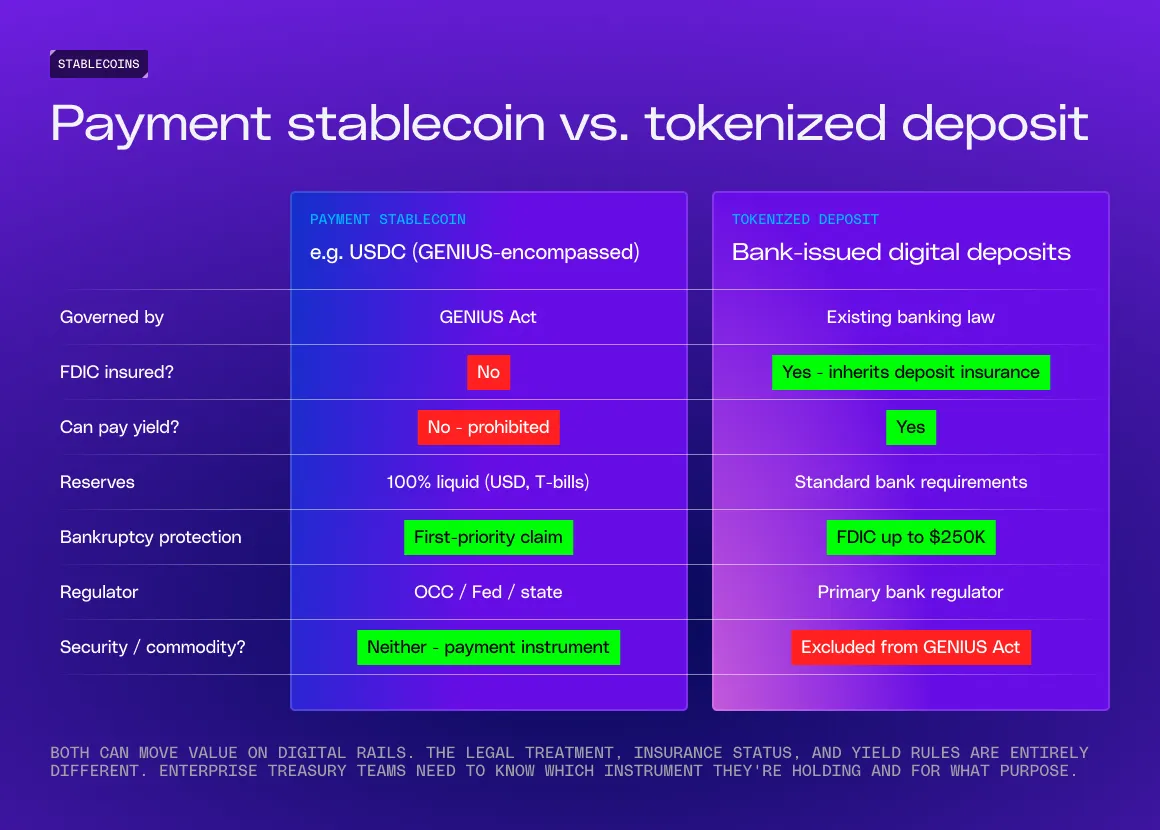
Test cross-border B2B payments or payroll. Polygon’s low fees make stablecoins practical for high-volume transactions where traditional banking rails are too slow or expensive. Start with a single vendor or department to validate the workflow before scaling.
Move idle cash into yield-generating DeFi protocols. This requires strict governance and compliance checks. Use Polygon’s Ethereum L2 security to keep funds safe while accessing higher yields than traditional money markets offer.

Tokenize real-world assets like real estate or invoices. Polygon’s CDK (Chain Development Kit) allows you to build a dedicated chain that meets specific regulatory needs. This approach offers the most control but requires significant technical investment.
Raise funds through community-driven mechanisms. This is ideal for startups or projects that need to engage a broad base of investors. It leverages Polygon’s scalability to handle many small transactions without congestion.
Spotting Weak Options in Polygon Enterprise DeFi
Enterprise pilots often stumble on infrastructure choices that look good on paper but fail in production. When evaluating Polygon for DeFi, focus on concrete tradeoffs rather than broad claims. Several common pitfalls can derail implementation, especially regarding compliance, liquidity, and technical integration.
Ignoring Regulatory Nuances
Stablecoin payments for enterprise B2B transactions require strict adherence to local regulations. Polygon’s architecture supports cross-border payments, but treasury management and payroll integrations must align with regional compliance standards. Assuming technical compatibility equals regulatory approval is a frequent and costly mistake. Teams must verify that their chosen stablecoin rails meet specific jurisdictional requirements before scaling.
Overlooking Liquidity Depth
Liquidity fragmentation is a persistent issue in Layer 2 ecosystems. While Polygon offers low fees, enterprise DeFi pilots often underestimate the depth of available liquidity for specific trading pairs or lending markets. Shallow order books can lead to significant slippage during large transactions. Always test real-world transaction sizes against current pool depths before committing capital.
Misjudging Technical Complexity
Integrating Polygon’s ZK or OP Stack solutions requires specialized development resources. Many enterprises assume existing Ethereum tooling transfers directly, but differences in block times, finality, and node infrastructure can cause integration delays. Verify that your development team has experience with Polygon-specific SDKs and debugging tools. The technical barrier is higher than simple API calls suggest.
Polygon enterprise defi pilots: infrastructure: what to check next
Enterprise teams evaluating Polygon for DeFi pilots often face the same practical hurdles: understanding the project’s origins, comparing it against high-throughput alternatives, and clarifying ownership and recent strategic shifts. These questions define the baseline risk and integration complexity before capital is deployed.
No comments yet. Be the first to share your thoughts!