Polygon's $250 million infrastructure play
Polygon is moving beyond its identity as a mere scaling layer. The network is executing a strategic pivot to control the underlying infrastructure of decentralized finance, specifically targeting the stablecoin rails that power enterprise transactions. This shift is defined by a $250 million acquisition spree, most notably the purchases of Coinme and Sequence.
By acquiring these middleware providers, Polygon Labs is internalizing the value that previously leaked to specialized third parties. Coinme brings deep expertise in fiat-to-crypto on-ramping, while Sequence offers a no-code toolkit for building Web3 apps. Together, they allow Polygon to offer a more integrated, end-to-end experience for institutions looking to deploy stablecoin payments and tokenized assets without piecing together disparate services.
The goal is clear: reduce friction and latency for high-stakes financial operations. When enterprises consider a polygon enterprise defi pilots strategy, they are no longer just buying block space; they are buying access to a unified ecosystem. This vertical integration positions Polygon to compete directly with traditional payment rails and other Layer 2 solutions that lack this depth of infrastructure control.
Stablecoin Rails for Cross-Border B2B
Enterprise finance teams are moving past experimental pilots and integrating stablecoin rails into their core operations. The primary driver is the elimination of correspondent banking friction for cross-border B2B payments, treasury management, and payroll. Unlike traditional SWIFT transfers that take days and incur hidden FX fees, stablecoin settlements offer near-instant finality on Polygon’s low-cost network.
Polygon Labs outlines a clear path for this transition in their practical guide for enterprise finance teams. The strategy focuses on using regulated stablecoins to settle invoices and distribute global payroll without the latency of legacy banking corridors. This approach reduces operational overhead and provides real-time visibility into fund movements, which is critical for high-stakes treasury operations.
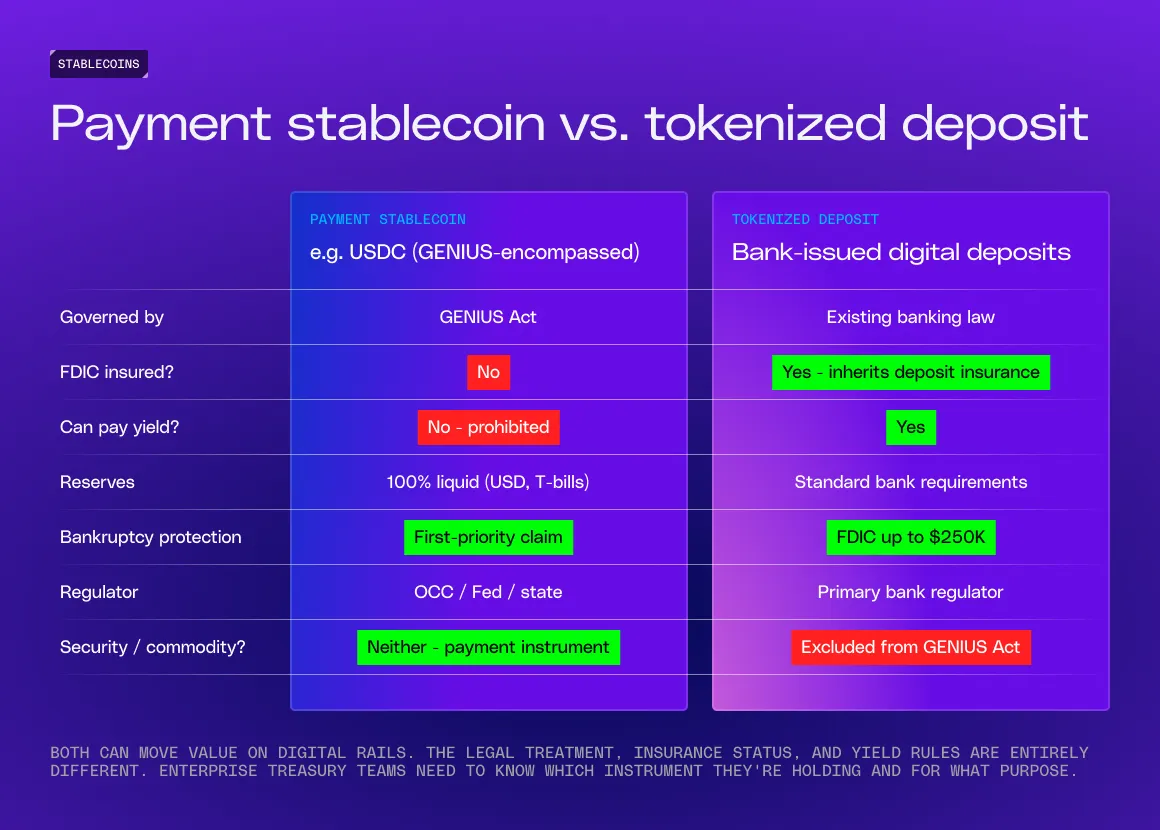
The infrastructure supports this shift through Polygon’s enterprise-grade RPC nodes and compliance-friendly architecture. Finance teams can execute large-volume B2B settlements with minimal slippage and predictable transaction costs. This reliability is what distinguishes these pilots from speculative crypto trading, anchoring them firmly in practical corporate utility.
Bank of Italy tests Polygon for regulated security tokens
The Bank of Italy selected Polygon for a pilot program designed to test the viability of security token trading within a regulated framework. This initiative marks a significant step toward integrating institutional-grade infrastructure with decentralized finance protocols. By leveraging Polygon’s existing network, the central bank aims to establish a controlled environment where compliance and market efficiency can coexist without sacrificing the technical benefits of blockchain technology.
The pilot focuses on creating a regulated environment for security token trading, exploring different structural designs for these digital assets. This approach allows regulators to observe how traditional financial instruments behave when tokenized on a public, permissionless layer. The goal is not merely to test technology, but to refine the operational standards required for large-scale institutional adoption. Polygon’s low transaction costs and high throughput provide the necessary scalability for such trials, which would be impractical on slower, more expensive networks.
This collaboration highlights the growing acceptance of Polygon as a viable backbone for enterprise DeFi pilots. It demonstrates that major financial institutions are no longer viewing blockchain merely as an experimental curiosity, but as a practical tool for modernizing capital markets. The insights gained from this pilot will likely influence future regulatory frameworks for digital assets across the European Union, setting a precedent for how central banks interact with decentralized networks.
Enterprise RPC and Infrastructure Requirements
Running a Polygon enterprise DeFi pilot isn't just about deploying smart contracts; it's about building a resilient, compliant data backbone. For high-stakes finance, standard public RPC endpoints are too volatile and opaque. Enterprises need specialized infrastructure providers like Chainstack and Kaleido that offer dedicated nodes, guaranteed uptime, and the granular audit trails required by regulators.
The primary differentiator for enterprise pilots is compliance. Unlike consumer apps, financial institutions must track every transaction and node interaction. Providers that offer "compliance RPC" capabilities allow enterprises to filter data, enforce KYC/AML checks at the node level, and maintain immutable logs of all API interactions. This turns the blockchain from a black box into an auditable ledger, a non-negotiable requirement for security token issuance and stablecoin rails.
Latency and data integrity are equally critical. When executing large-scale DeFi strategies, even milliseconds of RPC downtime or data inconsistency can result in significant financial loss. Dedicated enterprise nodes provide predictable latency and higher rate limits, ensuring that your pilot's trading algorithms or settlement engines don't bottleneck on infrastructure.
The table below compares key enterprise RPC providers on the features that matter most for regulated DeFi pilots.
| Provider | Compliance Features | Latency Profile | Audit Trail |
|---|---|---|---|
| Chainstack | KYC/AML filtering, RBAC | < 500ms (Dedicated) | Full API call logging |
| Kaleido | Enterprise-grade security, RBAC | Optimized for Web3 | Integrated monitoring |
| QuickNode | Add-on compliance modules | Sub-second (Enterprise) | Detailed endpoint analytics |
| Ankr | Basic access control | Variable (Shared/Dedicated) | Standard logs |
Balancing Volume with Revenue Models
The core challenge for any enterprise blockchain is simple: how do you make money without killing the transaction volume that makes the network useful? Polygon’s strategy, as outlined by Fagin, avoids the traditional middleware tollbooths that often bleed value in legacy DeFi. Instead, the focus is on capturing value directly through infrastructure efficiency and high-stability asset flows.
This approach relies on stablecoin rails and security tokens—assets that move frequently but require minimal, low-latency RPC interactions. By optimizing for these specific use cases, Polygon aims to generate revenue from the sheer scale of activity rather than charging per transaction in a way that discourages usage. The goal is to make the network so efficient that enterprises adopt it as a standard settlement layer, creating a recurring, scalable income stream.
Key Insight: Polygon aims to capture value previously lost to middleware providers by embedding revenue into the core settlement layer.
This model shifts the financial dynamic from transaction fees to infrastructure value. As enterprises migrate from experimental pilots to production-grade operations, the revenue becomes tied to the reliability and speed of the network, not the volume of individual trades. This ensures that as adoption grows, so does the platform's financial health, without penalizing the users who drive that growth.
Checklist for enterprise pilot readiness
Before launching a pilot, finance teams must validate that their infrastructure and compliance frameworks align with Polygon’s enterprise-grade requirements. This checklist covers the four critical areas: stablecoin rails, RPC infrastructure, security token standards, and regulatory alignment.
Ensure your treasury management system supports Polygon’s dominant stablecoins (USDC, USDT) and that you have access to deep liquidity pools for cross-border B2B settlements. Polygon’s strategy focuses on reducing friction for enterprise payouts, so confirm your internal systems can handle native token transfers without excessive bridging costs [Polygon Labs].

Public nodes are insufficient for high-stakes finance. Choose a provider that offers dedicated nodes, SLA-backed uptime, and audit trails. Providers like Chainstack or QuickNode offer the low-latency connections required for real-time payment processing and compliance monitoring [Chainstack].

If your pilot involves security tokens, verify that your smart contracts adhere to Polygon’s compliance standards and local regulations. The Bank of Italy’s recent pilot on Polygon highlights the importance of designing tokens with built-in regulatory constraints from the outset [The Defiant].
Run load tests against your chosen RPC provider to ensure transaction finality meets your business needs. Enterprise pilots fail when latency spikes during peak hours. Aim for sub-second finality for payment settlements and ensure your fallback mechanisms are robust.
Secure sign-off from your legal and compliance departments. Document the pilot’s scope, data privacy measures, and exit strategy. Ensure your team understands the regulatory landscape for digital assets in your jurisdiction, as shown by the Bank of Italy’s cautious, regulated approach [The Defiant].
No comments yet. Be the first to share your thoughts!