Polygon enterprise DeFi pilots face real limits to account for
Running a DeFi pilot on Polygon is not just a technology upgrade; it is an infrastructure overhaul. Enterprise teams must bridge the gap between blockchain finality and traditional banking settlement windows. The primary constraint is not code, but compliance integration. Finance teams need to ensure that stablecoin transactions on Polygon align with existing treasury management systems and cross-border payment regulations.
Most successful pilots focus on specific use cases rather than broad adoption. B2B payments and payroll are the most common entry points because they offer clear efficiency gains over SWIFT transfers. However, these pilots require robust liquidity management and strict KYC/AML checks at the wallet level. Without these controls, the risk of regulatory friction outweighs the speed benefits.
The choice of Polygon zkEVM or Polygon PoS depends on the pilot’s scale. zkEVM offers Ethereum-level security for high-value settlements, while PoS provides lower costs for high-frequency micro-transactions. Teams must decide which tradeoff fits their volume and risk profile before writing a single line of integration code.
Evaluating Polygon enterprise DeFi choices that change the plan
Choosing a Polygon-based DeFi pilot requires balancing speed, cost, and regulatory readiness. There is no single "best" chain configuration; instead, enterprises must select infrastructure that aligns with their specific compliance and volume requirements. The following breakdown highlights the concrete factors to evaluate when comparing solutions.
| Evaluation Factor | High-Volume Payments | Low-Volume / Niche | Compliance-First |
|---|---|---|---|
| Transaction Throughput | High TPS via zkEVM or PoS | Standard PoS is sufficient | Not the primary constraint |
| Cost Per Transaction | Sub-cent fees are critical | Higher fees are acceptable | Negligible vs. legal costs |
| Data Availability & Audit | Real-time indexing required | Batched or delayed is fine | Immutable, verifiable audit trails |
| Integration Complexity | Requires dedicated RPC endpoints | Shared public nodes work | Custom KYC/AML middleware |
Infrastructure and Reliability
For high-volume payment pilots, infrastructure stability is paramount. Shared public nodes often fail under enterprise load, necessitating dedicated RPC providers with SLAs. Chainstack and other specialized providers offer the compliance-ready endpoints required for consistent uptime.
Cost Structure Analysis
While Polygon is known for low fees, the cost model varies by implementation. zkEVM rollups offer higher security and finality but may incur slightly higher gas costs than standard PoS transactions. For treasury management, the savings from sub-cent fees often outweigh the infrastructure costs of dedicated nodes.
Compliance and Data Integrity
Enterprise pilots must prioritize data availability for audit purposes. Solutions that provide immutable, verifiable audit trails are essential for regulated industries. This often requires custom middleware for KYC/AML checks, adding complexity but ensuring regulatory adherence.
Choose the next step: Turn the research into a practical decision framework
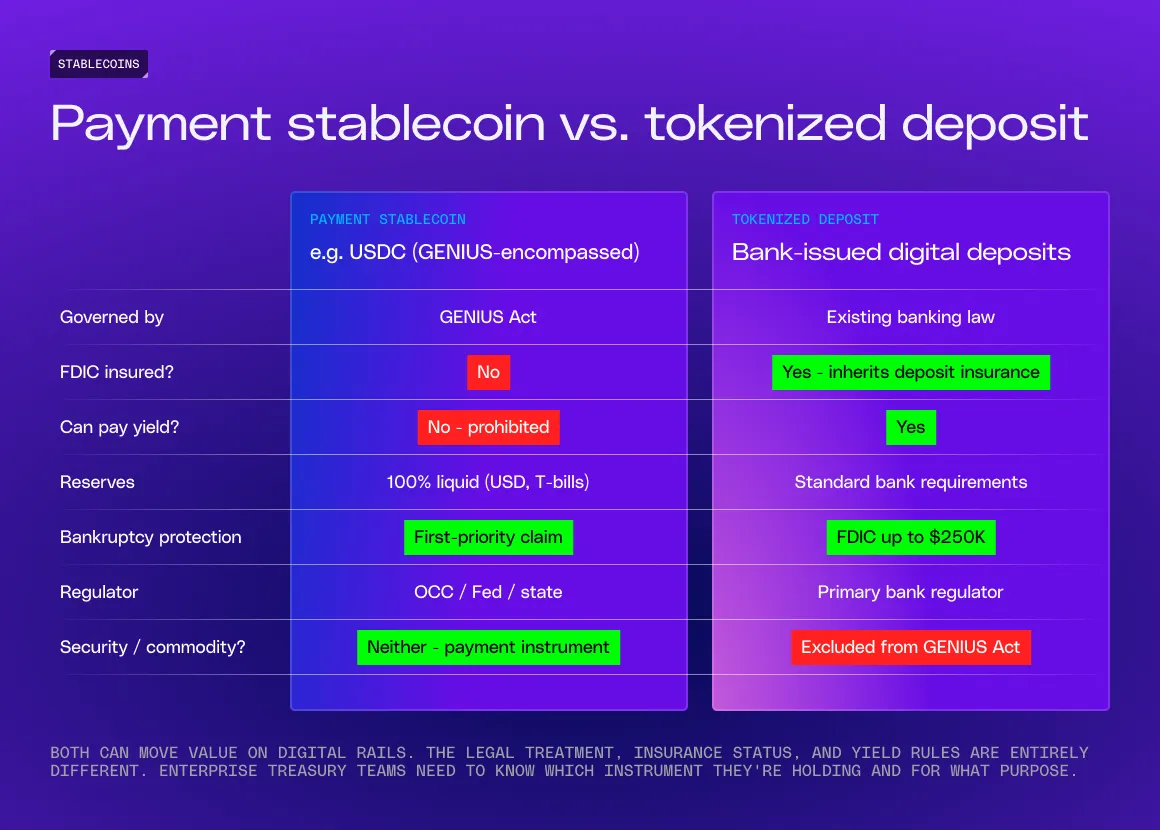
Selecting a Polygon Enterprise DeFi pilot requires matching your specific treasury constraints to the right infrastructure. The market has moved past generic blockchain experiments toward embedded finance solutions that integrate directly with existing payment, credit card, and brokerage apps. Your decision should hinge on whether you prioritize cross-border efficiency, payroll automation, or treasury yield.
Use this checklist to evaluate your immediate needs against the available Polygon enterprise capabilities. Focus on the specific workflow you want to modernize first, rather than attempting a full-scale migration.


Spotting Weak Options in Polygon Enterprise Pilots
As 2026 enterprise DeFi pilots mature, the gap between marketing hype and operational reality widens. Many organizations chase the allure of instant settlement without auditing the underlying infrastructure's compliance and liquidity constraints. To avoid costly missteps, you must distinguish between robust pilot frameworks and superficial implementations that fail under real-world volume.
Ignoring Stablecoin Regulatory Friction
A common mistake is assuming stablecoin payments are universally compliant. While Polygon supports multiple stablecoins, enterprise finance teams must verify which assets meet local regulatory standards for cross-border B2B transactions. Ignoring this friction can lead to frozen assets or legal scrutiny, turning a treasury management solution into a compliance nightmare.
Overlooking Embedded Finance Integration
Another weak option is building standalone DeFi interfaces instead of integrating into existing banking apps. The most successful pilots merge stablecoin infrastructure with traditional payment rails, credit cards, and brokerage apps. Building in isolation creates friction for end-users and limits the pilot's scalability, whereas embedded finance ensures seamless adoption within established financial ecosystems.
Underestimating Liquidity Depth
Finally, many pilots fail because they assume liquidity is static. Enterprise-scale transactions require deep order books and stablecoin reserves that can absorb large trades without slippage. Failing to stress-test liquidity depth during the pilot phase often results in failed transactions or unfavorable exchange rates, undermining the financial efficiency the pilot was meant to deliver.
Polygon Enterprise DeFi Pilot FAQs
What are the main use cases for Polygon in enterprise DeFi?
Enterprise pilots on Polygon typically focus on three core areas: cross-border B2B payments, treasury management, and payroll processing. Stablecoins serve as the primary settlement layer, allowing finance teams to reduce transaction times from days to seconds while lowering fees compared to traditional wire transfers [src-1]. Additionally, institutional pilots are exploring regulated security token trading, as demonstrated by recent collaborations with entities like the Bank of Italy [src-5].
Which infrastructure components are required for a pilot?
A robust enterprise setup requires more than just a wallet; it demands compliant RPC nodes and audit trails. Providers like Chainstack offer specialized Polygon RPC services designed for enterprise compliance, ensuring transaction visibility and regulatory reporting [src-3]. You will also need integrated stablecoin payment gateways that support embedded finance features, allowing seamless integration with existing brokerage or banking applications [src-2].
How does Polygon handle regulatory compliance for enterprises?
Polygon supports enterprise compliance through its zkEVM architecture, which provides transaction privacy and data integrity required by financial regulators. Pilots often utilize permissioned networks or specific compliance modules to ensure that security token trading adheres to local securities laws. The infrastructure is designed to merge with traditional finance workflows, allowing institutions to maintain control over identity verification and transaction monitoring [src-4].
What are the risks and failure modes to avoid?
The primary risks involve liquidity fragmentation and smart contract vulnerabilities. Enterprises must carefully select stablecoin pairs to avoid slippage during large settlements. Additionally, failure to implement proper audit trails can lead to regulatory penalties. It is essential to test the infrastructure in a sandbox environment before moving to production, ensuring that all compliance checks are automated and reliable [src-4].
No comments yet. Be the first to share your thoughts!