Shifting from General L2 to Stablecoin Infrastructure
Polygon is undergoing a fundamental structural change, moving away from its origins as a general-purpose Layer 2 scaling solution toward a dedicated provider of on-chain payment infrastructure. This pivot represents a strategic narrowing of focus, prioritizing the movement of fiat-backed assets over the broader spectrum of decentralized applications and smart contracts that previously defined the network.
The catalyst for this shift is a series of high-value acquisitions aimed at closing the gap between traditional finance and blockchain rails. Polygon has acquired Coinme, a major Bitcoin ATM and fiat on-ramp operator, and Sequence, a chain designed specifically for integrating web2 payment providers into web3. These deals, totaling over $250 million, signal an intent to control the entry and exit points for stablecoin liquidity rather than just securing the settlement layer.
This strategy aligns with what Polygon’s leadership describes as the "Open Money Stack." The goal is not merely to host DeFi protocols but to build the underlying plumbing that allows institutions and everyday users to move money on-chain with the reliability and compliance expected in traditional payments. By acquiring established payment entities, Polygon is attempting to replicate the infrastructure advantages of Visa or Mastercard within a decentralized environment.
The market response to this repositioning has been measured. While the long-term viability of a stablecoin-first chain remains unproven against competitors like Solana and Ethereum L2s, the immediate focus is on capturing the institutional flow of stablecoins. This requires more than just low fees; it demands the legal frameworks and banking partnerships that Coinme and Sequence bring to the table.
Core Infrastructure Components
Enterprise DeFi pilots on Polygon move beyond generic blockchain promises by leveraging a specialized technical stack designed for high-volume, low-latency financial operations. The architecture separates concerns between execution, settlement, and connectivity, allowing institutions to integrate Web3 capabilities into existing legacy systems without overhauling their core infrastructure.
Order Management and RPC Connectivity
Reliable transaction processing requires robust Order Management Systems (OMS) integrated with high-throughput RPC endpoints. Polygon PoS serves as the primary execution layer, handling over six million transactions daily for enterprise use cases. This volume is supported by dedicated RPC providers that offer the low-latency connectivity required for real-time trading and settlement. These providers ensure that institutional clients can interact with the network reliably, bypassing the congestion and unpredictability often associated with public node access.
Modular Execution with Supernets
For institutions requiring custom governance or specific compliance parameters, Polygon Supernets provide a modular execution environment. Built on Polygon Edge, Supernets allow enterprises to deploy sovereign blockchains that share the security of the main Polygon network while maintaining independent consensus mechanisms. This flexibility is critical for pilots involving private liquidity pools or regulated assets, where data privacy and specific regulatory controls are mandatory. The infrastructure supports configurable parameters, enabling firms to tailor the network behavior to their specific risk and operational requirements.
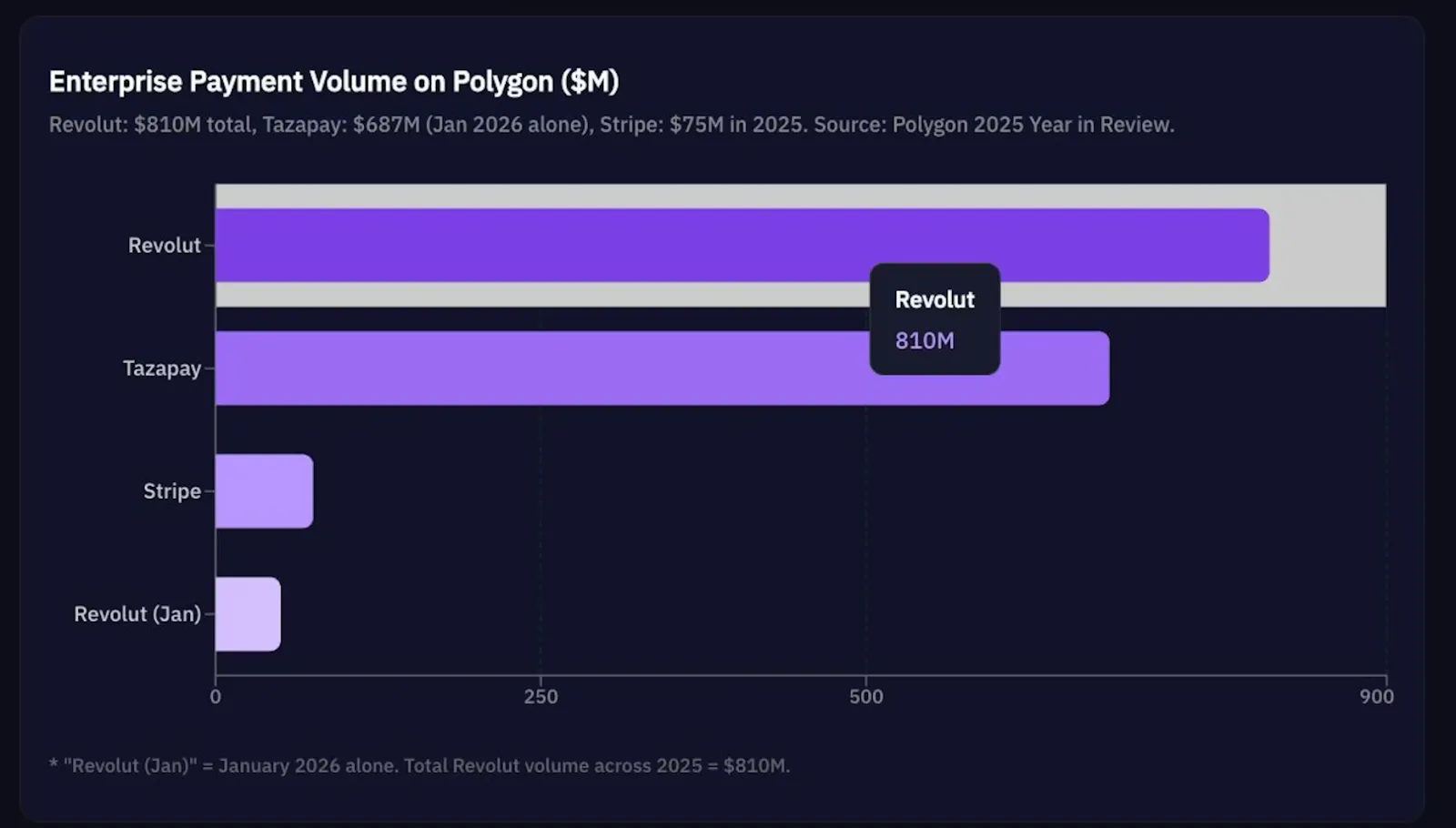
Infrastructure Comparison
Choosing the right infrastructure layer depends on the specific needs of the DeFi pilot, whether it requires maximum throughput, custom governance, or seamless interoperability. The following table compares the primary infrastructure options available for enterprise integration.
| Component | Primary Use Case | Customization Level |
|---|---|---|
| Polygon PoS | High-throughput transactions and payments | Standardized, high performance |
| Polygon CDK | Building custom L2 rollups | High, developer-controlled |
| Polygon Supernets | Sovereign chains with shared security | High, configurable consensus |
Key enterprise use cases
Use this section to make the Polygon Enterprise DeFi Pilots decision easier to compare in real life, not just on paper. Start with the reader's actual constraint, then separate must-have requirements from details that are merely nice to have. A practical choice should survive normal use, maintenance, timing, and budget. If a recommendation only works in an ideal situation, call that out plainly and give the reader a fallback path.
The simplest way to use this section is to write down the must-have criteria first, then compare each option against those criteria before weighing nice-to-have features.
Market research and regulatory landscape
Use this section to make the Polygon Enterprise DeFi Pilots decision easier to compare in real life, not just on paper. Start with the reader's actual constraint, then separate must-have requirements from details that are merely nice to have. A practical choice should survive normal use, maintenance, timing, and budget. If a recommendation only works in an ideal situation, call that out plainly and give the reader a fallback path.
The simplest way to use this section is to write down the must-have criteria first, then compare each option against those criteria before weighing nice-to-have features.
Evaluating Polygon for enterprise pilots
Before committing capital to a DeFi pilot on Polygon, CFOs and CTOs must validate that the infrastructure aligns with strict enterprise SLAs. The network’s architecture offers distinct advantages for high-volume financial operations, but it requires specific technical verification.
Polygon PoS processes over 6 million transactions daily, making it a preferred choice for institutional Web3 processing. Verify that your chosen RPC provider maintains sub-second latency during peak hours to ensure transaction finality matches your operational tempo.
Enterprise pilots often require adherence to regional data sovereignty laws. Confirm that Polygon nodes can be deployed in specific geographic regions and that the provider offers audit trails compatible with your internal compliance frameworks.
Pilot success depends on immediate liquidity. Test the depth of order books for your target assets on Polygon-based DEXs to ensure minimal slippage during initial capital deployment.
Frequently asked: what to check next
Helpful gear
Use these product recommendations as a starting point, then choose the size, material, and price point that fit how you actually use the gear.


As an Amazon Associate, we may earn from qualifying purchases.
No comments yet. Be the first to share your thoughts!