Polygon enterprise DeFi pilots: what actually works
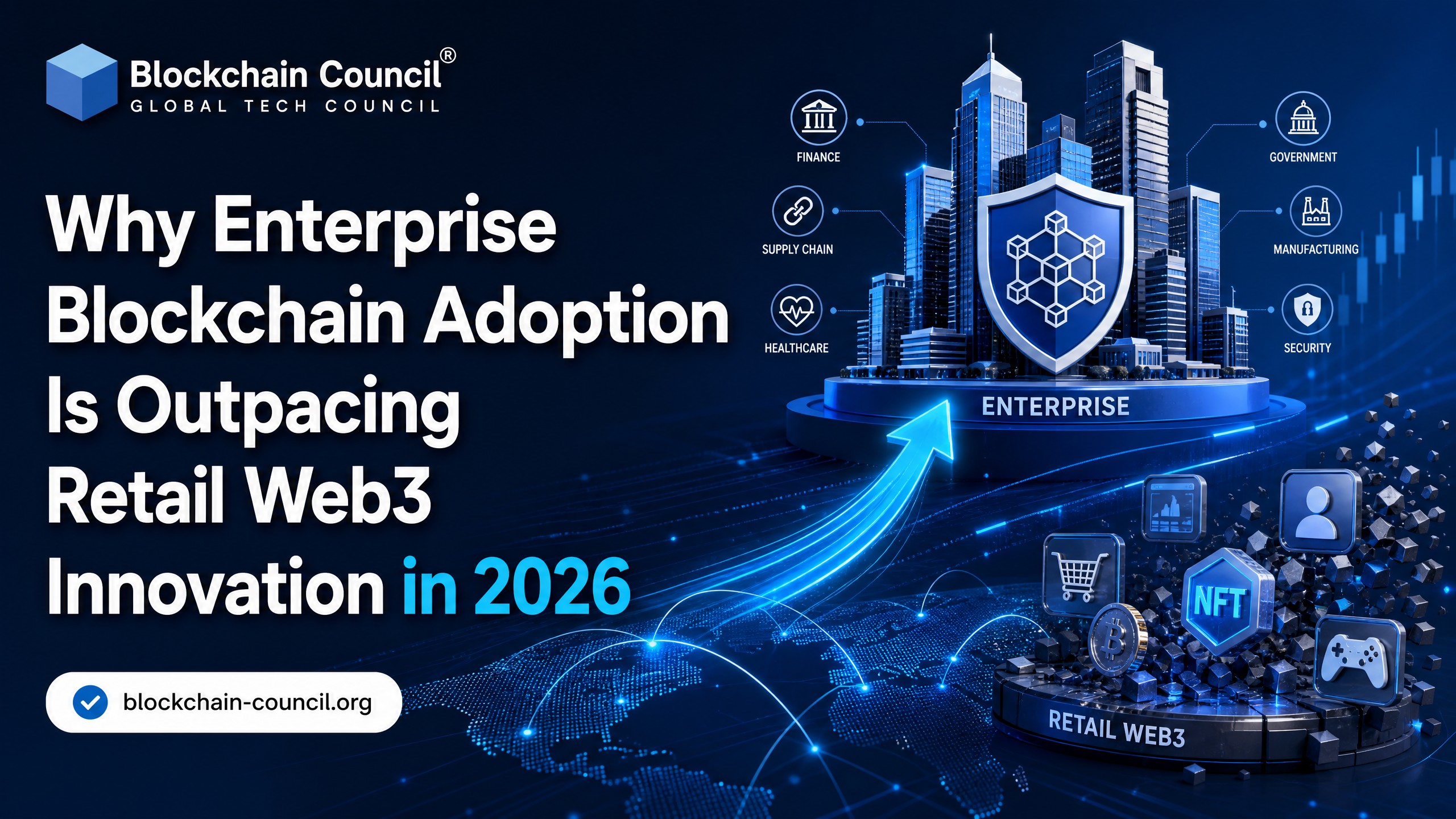
Most enterprise pilots on Polygon stall because teams treat blockchain like a direct replacement for existing banking rails. That approach ignores the fundamental differences in settlement speed, finality, and counterparty risk. Successful pilots treat Polygon as a specialized infrastructure layer that handles specific high-friction tasks, such as cross-border B2B payments or real-time treasury reconciliation, while keeping core accounting in traditional systems.
The key to a viable pilot is defining clear constraints around scope and exit strategies. Teams should start with non-critical workflows, such as internal tokenized asset tracking or pilot payroll disbursements, rather than immediate core treasury migration. This allows finance teams to validate Polygon’s technical reliability and compliance reporting without exposing the organization to unacceptable operational risk.
Infrastructure choices also dictate pilot success. Polygon’s EVM compatibility and low transaction costs make it attractive for high-volume micro-transactions, but enterprise teams must account for gas fee volatility and smart contract audit requirements. Protocols like Polygon CDK or enterprise-grade node providers offer the necessary uptime guarantees and institutional custody solutions that standard DeFi interfaces lack.
Finally, regulatory clarity remains the primary bottleneck. Pilots must integrate with licensed stablecoin issuers and ensure all transactions comply with local anti-money laundering (AML) and know-your-customer (KYC) regulations. Without these guardrails, even technically sound pilots will face legal hurdles that prevent scaling beyond the initial proof-of-concept stage.
Tradeoffs in Polygon Enterprise DeFi Pilots
Building a DeFi pilot on Polygon requires balancing speed and cost against regulatory visibility and institutional trust. While the network offers sub-cent transaction fees and near-instant finality, enterprise finance teams must evaluate how these technical advantages align with compliance mandates. The decision to pilot on Polygon is rarely just about technology; it is a strategic choice involving infrastructure reliability, stablecoin liquidity, and the ability to integrate with existing legacy systems.
To make an informed decision, compare the primary tradeoffs across four critical dimensions. The following table outlines the core factors influencing enterprise adoption, from settlement speed to regulatory readiness.
| Factor | Advantage | Tradeoff/Consideration | Mitigation Strategy |
|---|
Stablecoin Liquidity and Settlement
Polygon has positioned itself as a stablecoin-first blockchain, acquiring assets like Coinme and Sequence to strengthen its payment rails. This strategy provides deep liquidity for USDC and USDT, which is critical for treasury management and cross-border B2B payments. However, enterprises must verify that the stablecoins used in their pilot are fully reserved and compliant with local regulations in their target jurisdictions. The speed of settlement is only valuable if the underlying asset is trustworthy and liquid.
Compliance and Identity Integration
Unlike permissioned blockchains, Polygon is a public network, meaning all transactions are visible on-chain. For enterprises, this transparency is both a benefit and a risk. It allows for real-time auditing but requires robust identity verification layers. Integrating Polygon Identity or using enterprise RPC providers that offer privacy-preserving analytics can help balance transparency with regulatory requirements. This integration is essential for meeting AML (Anti-Money Laundering) and KYC (Know Your Customer) standards.
Choose the next step
Turning research into a decision framework requires matching your specific operational pain points to the correct Polygon infrastructure. Enterprise DeFi is not a monolithic choice; it is a set of distinct utility layers. Selecting the wrong layer leads to unnecessary complexity, while the right selection drives immediate efficiency gains in treasury management and settlement speed.
Evaluate your current bottlenecks against these four practical pathways. Each option addresses a different slice of the enterprise finance stack, from cross-border payments to internal compliance. Use this list to identify which layer offers the highest immediate return on investment for your organization.
Use Polygon for international vendor payments where traditional banking rails create latency and high fees. Stablecoin integration allows finance teams to settle invoices in seconds rather than days, reducing foreign exchange risk and eliminating intermediary bank charges. This is the most mature use case for immediate cash flow optimization.
Deploy idle corporate capital into regulated DeFi protocols to generate yield on stablecoin reserves. Unlike traditional money market funds, on-chain treasury management offers 24/7 access and transparent, real-time auditability of asset allocation. This step turns dormant cash balances into productive assets without sacrificing liquidity or compliance standards.

Streamline global payroll by automating wage distribution via smart contracts. This reduces administrative overhead associated with multi-currency bank transfers and ensures employees receive funds instantly. It is particularly effective for organizations with distributed workforces or contractors in regions with limited banking infrastructure.
Leverage Polygon’s on-chain data for immutable, real-time audit trails. Enterprise finance teams can integrate compliance tools directly into the transaction flow, ensuring every movement of funds is recorded and verifiable. This reduces the manual burden of reconciliation and simplifies regulatory reporting for internal and external auditors.
Select the pathway that aligns with your most urgent operational need. Start with a small pilot to validate the infrastructure before scaling across the entire finance department. This measured approach minimizes risk while allowing your team to build internal expertise in enterprise blockchain integration.
Pitfalls in Polygon Enterprise DeFi Pilots
Enterprise pilots on Polygon often stumble on hidden infrastructure costs rather than protocol design. Teams frequently underestimate the operational overhead of maintaining multi-chain liquidity and the compliance burden of cross-border stablecoin flows. These weak options can erode the projected ROI before the pilot even goes live.
Overlooking Stablecoin Compliance Nuances
Many enterprises assume all stablecoins are equal for B2B payments. This is a common mistake. Regulatory treatment varies significantly by jurisdiction and coin type. Using a stablecoin without verifying its reserve transparency and regulatory status can expose the finance team to sudden compliance risks. Always prioritize assets with clear, audited reserve reports and established legal frameworks.
Ignoring settlement finality choices that change the plan
Speed is often marketed as the primary benefit, but finality matters more for accounting. Some Polygon configurations offer faster times but weaker finality guarantees compared to Ethereum mainnet. For enterprise treasury management, delayed finality can create reconciliation nightmares. Ensure your pilot clearly defines the settlement window and matches it with your internal accounting cycles.
Underestimating Interoperability Friction
Seamless cross-chain transfers are rarely seamless. Bridging assets between Polygon and other networks introduces latency and bridge-specific risks. Pilots that ignore bridge security audits or liquidity depth often face stuck funds or unfavorable slippage. Test the full transfer path, including exit liquidity, before scaling the pilot to production volumes.
FAQ: Polygon Enterprise DeFi Pilots
Is Polygon suitable for regulated security token trading?
Yes, Polygon has become a primary infrastructure choice for institutional pilots involving security tokens. The Bank of Italy recently selected Polygon for a pilot program designed to create a regulated environment for trading security tokens. This move signals that the network’s architecture can support the compliance and audit requirements necessary for traditional finance moving on-chain.
How do enterprises handle stablecoin payments on Polygon?
Finance teams are increasingly using Polygon for cross-border B2B payments, treasury management, and payroll. The network offers faster settlement times and lower costs compared to traditional banking rails. By leveraging Polygon’s stablecoin infrastructure, enterprises can manage liquidity more efficiently while reducing the friction associated with international transfers.
What infrastructure do enterprise pilots rely on?
Enterprise-grade RPC providers are critical for maintaining the uptime and compliance needed for institutional workloads. In 2026, providers like Chainstack are offering specialized RPC solutions that include audit trails and enhanced security features. These tools allow enterprises to monitor transactions and ensure their DeFi interactions meet strict internal governance standards.
Why is Polygon focusing on stablecoin rails?
Polygon is repositioning itself as a stablecoin-first blockchain to capture the enterprise market. This strategy includes significant acquisitions, such as Coinme and Sequence, to build comprehensive payment infrastructure. By focusing on stablecoins, Polygon aims to provide the reliable, high-volume transaction layer that large-scale financial operations require.
No comments yet. Be the first to share your thoughts!